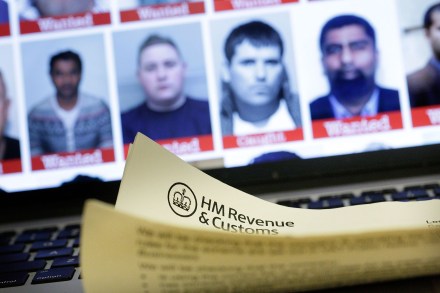
Fact check: are Britain’s wealthiest really paying just 20 per cent tax?
Since the turn of the century the share of income tax paid by the 1 per cent with the highest incomes has risen from 21 per cent to 30 per cent. Despite this, some academics claim that the rich avoid tax. A study released last week is a case in point. ‘Wealthiest in Britain paying just 20 per cent tax rate,’ said the Independent. A fair summary: the London School of Economics and Warwick University did indeed argue that the ‘average person with total remuneration of £10 million had an effective tax rate of just 21 per cent: less than the rate that would be paid by someone on median earnings of £30,000.’ Since they’re supposed to be paying 47 per cent, it’s surprising. So how was this figure arrived at?