The difficulties of writing historical fiction
Historians ask ‘What?’ Novelists ask ‘What if?’
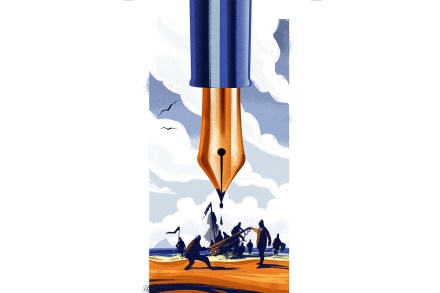
Historians ask ‘What?’ Novelists ask ‘What if?’
Arguably America’s greatest living novelist is back with two novels

From our UK edition
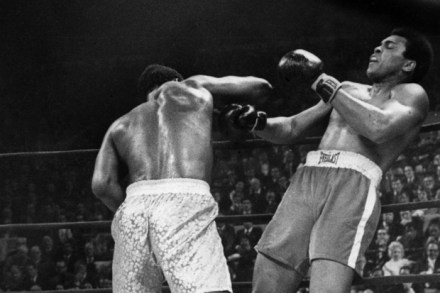
The early 1970s was a good time for heavyweight boxing. Indeed, it was probably the last truly great age for the sport. Flamboyant fighters contested brutal matches in exotic locations, from the Philippines to the Caribbean. The world watched open-mouthed. The marketing slogans attached to some of those fights remain instantly recognisable: who has not
From our UK edition
Think of an art at which the English have excelled and I doubt you would come up with the word ‘embroidery’. As I muttered when my agent asked whether I should like to make a film for BBC4 about the golden age of this forgotten but brilliant native art form: ‘Embroidery? What, like sewing?’ But

From our UK edition
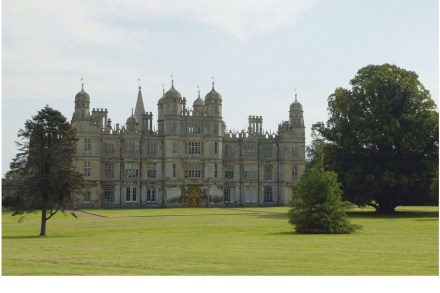
History publishers like a gimmick, so I assumed Suzannah Lipscomb’s A Visitor’s Companion to Tudor England (Ebury, £12.99) must be a cheeky rip-off of Ian Mortimer’s Time Traveller’s Guide series. Not so. In fact this is a rich, meticulously plotted field guide to the surviving architectural treasures of Tudor England: the houses, fortresses, palaces and
From our UK edition
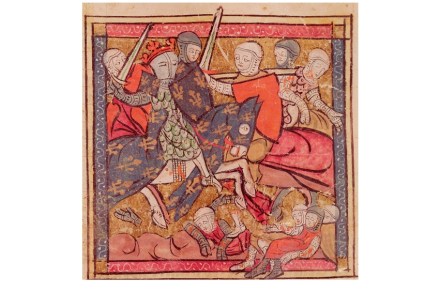
One hundred and fifty years after Anglo-Saxon England was invaded by the Normans, Anglo-Norman England was invaded by the French. On 21 May 1216 King Philip Augustus’ eldest son, Louis the Lion, landed at Stonor on the Isle of Thanet, kissed a crucifix, planted it in the ground and began an 18-month war for the
From our UK edition
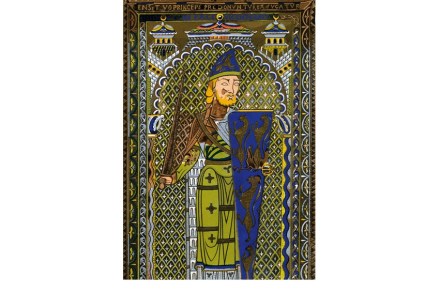
The half-millennium or so that followed the division of the Carolingian empire in 843 AD was a time of profound social and political change in Europe. Kingdoms were established, new forms of law and theories of power were developed and military technology and tactics were revolutionised. Relations between church and state were transformed. The emerging
From our UK edition
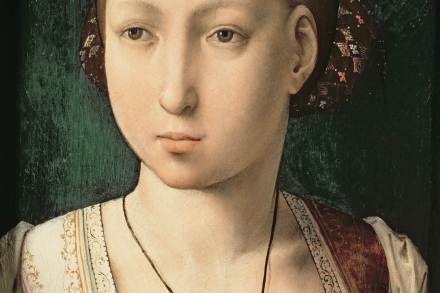
The Catholic Monarchs — Ferdinand II of Aragon and Isabella I of Castile — had five children together. The Catholic Monarchs — Ferdinand II of Aragon and Isabella I of Castile — had five children together. Each child was married off to a promising European neighbour, thereby acting as a diplomatic tool in the Monarchs’
From our UK edition
Just over two years ago, Barack Obama delivered a calculated insult to Britain. He returned the Epstein bust of Sir Winston Churchill that had been loaned to America by the British government as a token of solidarity following the September 11 terrorist attacks. Churchill had pride of place in the Oval Office between 2001 and
From our UK edition
A trip to the local bodybuilders’ gym under the influence of muscle drugs If you want to get ahead in sports, there’s nothing better than a nice big helping of performance-enhancing drugs. Just ask the guys on the Tour de France. At the end of last month the Spanish cyclist and three-times Tour winner Alberto
From our UK edition
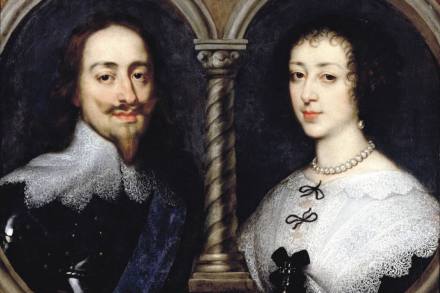
There are turbulent marriages. And then there are turbulent marriages in which the husband ends up getting beheaded on a stage. This book describes the latter. One doesn’t normally need to encourage publishers to hyperbole, but in the case of Katie Whitaker’s subtitle, there might have been a case for giving it a bit more
From our UK edition
‘His cursed concubine.’ That was the imperial ambassador Eustace Chapuys’ judgment on Henry VIII’s second wife, Anne Boleyn. ‘His cursed concubine.’ That was the imperial ambassador Eustace Chapuys’ judgment on Henry VIII’s second wife, Anne Boleyn. And that was mild. The abbot of Whitby called Anne a ‘common stud whore’. The judge Sir John Spelman

From our UK edition
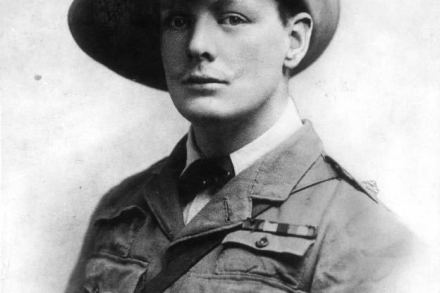
Winston Churchill was a racist. He said things like ‘I hate people with slit eyes and pig-tails. I don’t like the look of them or the smell of them’. Winston Churchill was a racist. He said things like ‘I hate people with slit eyes and pig-tails. I don’t like the look of them or the
From our UK edition
The years between the middle of the 18th century and the middle of the 19th century, argues Holger Hoock, ‘saw Britain evolve from a substantial international power yet relative artistic backwater into a global naval, commercial and imperial superpower as well as a leading cultural power in Europe. The years between the middle of the

From our UK edition
Hogarth’s satire is as appropriate now as it was 250 years ago, says Dan Jones. What we need is a new approach to our age-old drinking problem In 1751, as the great Gin Craze was winding down, William Hogarth produced a series of six prints. It included ‘Gin Lane’, his cruel masterpiece. In the foreground
From our UK edition
God’s Philosophers: How the Medieval World Laid the Foundations of Modern Science, by James Hannam We all have our hobby-horses. James Hannam’s is the abuse of the word ‘medieval’. Hats off. As I have written in this magazine before, using the term as shorthand for anything you consider cruel, arcane or barbarous (be it the
From our UK edition
I normally make it my policy when writing book reviews never to read anyone else’s. I normally make it my policy when writing book reviews never to read anyone else’s. It clogs up your mind with someone else’s prejudices and wrong opinions,where- as in fact you are being paid to bang on about your own.
From our UK edition
Please, someone give me a pound for every PR floozy who’s told me over breakfast that she’s ‘writing a novel’ about the dirty world of, er, PR. One minute you’re sucking up a nice creamy plate of scrambled eggs at the Wolseley, the next you’re trying to control your acid reflux. (But control it you
From our UK edition
Dan Jones on how the Armada tapestries, destroyed by fire, are being recreated Anthony Oakshett points to a palette and shows me a colour called ‘sea-monster grey’. The tall and genial artist is guiding me around his cool, airy temporary studio in an outhouse at Wrest Park, the Bedfordshire country house. Around us stand six
From our UK edition
‘It was an age of apocalypse. People across the world lived in fear of a new pandemic disease that leapt with ease from animals to humans, which spread on the breath and moved across borders with alarming freedom. Howls of protest carried through the smashed streets of Europe’s cities as they fell to popular rioting,