Damian Pudner

Damian Pudner is an independent economist specialising in monetary policy

How the Bank of England can avoid stagflation

The latest speech by the Bank of England’s chief economist Huw Pill contained an admission he probably did not quite mean to make. Speaking at an economic conference in North Macedonia on Tuesday, he warned: ‘Dealing with uncertainty is central to taking monetary policy decisions – perhaps now more than ever.’ This raises one key issue: if monetary policy is being set under conditions of ‘radical uncertainty’ and if the Bank accepts there are limits to what it can do about the inflationary effects of energy shocks, then why is it still clinging to a framework built around CPI inflation? The trouble is not that the Bank lacks flexibility or good intentions. It is that it has the wrong nominal anchor.

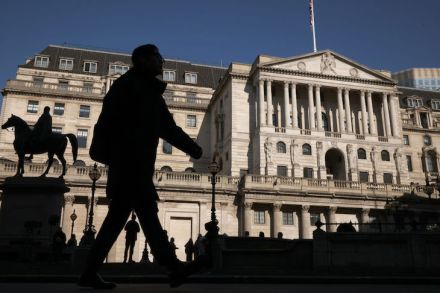
The Bank of England should stop worrying about inflation

As the government makes growth its top priority, one critical lever risks being overlooked: monetary policy. Ministers are busy wrestling with fiscal constraints and the pressures of a sluggish economy, but too much focus remains on spending pledges and supply-side fixes, and too little on the frameworks that shape demand and investment. Ahead of this week’s Spring Statement, they must ask a harder question: is the Bank of England’s inflation-targeting regime now holding back Britain’s recovery? The Bank of England remains bound to its rigid 2 per cent inflation target As I argue in my new Institute of Economic Affairs paper, Rethinking Monetary Policy, inflation targeting is no longer fit for purpose.