Cassandra Coburn

A bug in the system

I’ve lost track of the number of features I’ve seen joyfully hailing the edible insect revolution, entitled ‘Grub’s up!’ Barclays has released a report which predicts that the market for edible insects will hit $8 billion by 2030, and you can already buy Smoky BBQ Crunchy Roasted Crickets in Sainsbury’s. Research last month showed that certain species of edible insect contain higher quantities of antioxidants than freshly squeezed orange juice. Bugs are officially on track to become not just the ethical and environmental solution to protein provision, but a superfood as well. But wait. As with most food fads, these pronunciations are coming early, and are based on scant evidence.

Protons and cons

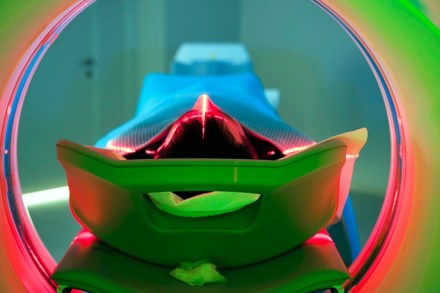
It’s Asco week in Chicago: the biggest meeting of clinical oncologists in the world. McCormick Place convention centre, the largest in the US, is filled to its 2.6 million square foot capacity with people talking about cancer. And one of the hottest topics being discussed is something called proton therapy, a possible new tool in the anti-cancer arsenal. But does it actually work? Given that two private proton therapy machines have already been built in the UK, and that two more NHS machines are on their way at a cool £250 million, you’d think we’d know. The sad truth is that, for many cancers, the medical jury is still out as to how helpful these machines actually are. Proton therapy is a new kind of radiotherapy.