Bounderby

Why is the recovery so slow?

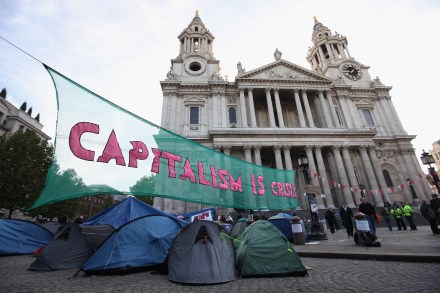
As someone who works in the City, even I sometimes think the Occupy Wall St brigade have a point. When you consider Barclays' behaviour today, it's a surprise that the protests didn't come earlier. The bank has announced an $11.5 billion loan to junk-rated Kinder Morgan Inc to fund an oil pipeline transaction. The banks have money to lend; they just choose to gamble it. The reason? Simple. Risky loans and takeover deals can earn enormous fees for investment banking arms. Those fees are paid in advance and bonuses for senior management are drawn from those sums. The loans may also get placed on the commercial bank book — and future losses don’t impact on bonuses, which have been already paid out.
Our bailout nightmare

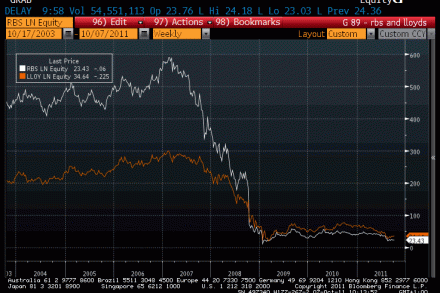
Three years on from the Great Bonus Bailout, where is the UK taxpayer standing on their investment in the UK banks? The answer is less than encouraging. RBS shares currently trade at 23.9p, less than half of the 50.5p purchase price. And Lloyds provides a similar picture — the taxpayer got in at around 74p and now the shares languish at 35p. The taxpayer is sitting on a loss of around £35 billion at present on these two investments. The picture at the collection of other banks that the UK taxpayer proudly owns is little better. The Financial Services Compensation Scheme is the off balance sheet vehicle in which most of these investments have been tucked away.

Britain’s trillion pound bill

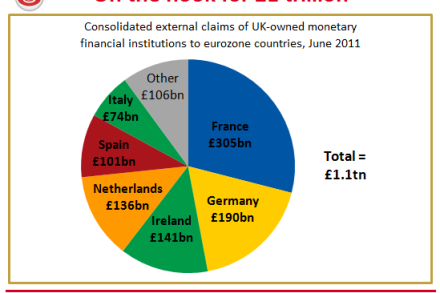
Be careful what you wish for, arch Eurosceptics. UK banks are exposed in the Eurozone to an eye-watering £1 trillion. The taxpayers' fiscal union with the banks in 2008 has exposed the UK to the Eurozone's indebted periphery, just as if we had joined the Euro. The Bank of England's cross-border lending data shows the scale of the problem. This isn't simply government bonds; it's total bank lending, including Barclays' retail expansion in Spain and Lloyds' corporate lending in Ireland.   The EU/IMF bailouts are as much a bailout of Britain as they are the debt-ridden countries of the Eurozone.

Learning from the American QE debate

The City of London's financial market gurus threw their toys out of the pram again this morning, following the US Federal Reserve's decision last night not to launch more quantitative easing. The stock markets have slumped as a result. Why aren't they happy? Even Bank of England research admits that QE gives the stock market a temporary lift (very good for year-end bonuses) at the cost of higher inflation.. That's why traders want it, but central banks like the Fed and the Bank of England are reluctant. But it looks like conservatives are now succeeding in preventing more QE in the US. The US Congress Republican leadership yesterday issued a joint statement calling on the Federal Reserve to "resist further extraordinary intervention in the U.S. economy".