Bjørn Lomborg

Bjorn Lomborg: climate change alarmism and the true cost of net zero

55 min listen

Winston speaks with sceptical environmentalist Bjorn Lomborg, author of the book False Alarm: How Climate Change Panic Costs Us Trillions, Hurts The Poor, And Fails To Fix The Planet. They discuss climate change and climate change policy. Lomborg explains how net zero and the Paris agreement will do more harm than good and suggests some alternative sustainable development goals which would balance environmental protection with human prosperity.

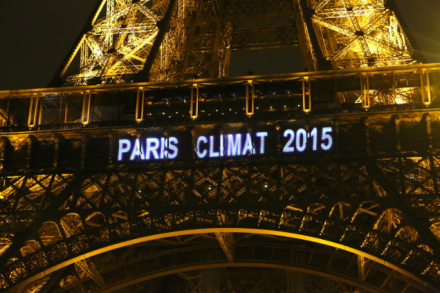
The Paris Climate deal addresses 1pc of the problem. How is that a victory?

The  Paris deal promises to keep temperature rises below 2°C. However, the actual promises made here will do almost nothing to achieve that. It is widely accepted that to keep temperature rises below 2°C, we have to reduce CO₂ emissions by 6,000Gt. The UNFCCC estimates that if every country makes every single promised Paris deal carbon cut by 2030 to the fullest extent possible and there is no carbon leakage, CO₂ emissions will be cut by 56 Gt by 2030. The maths is simple: in an implausibly optimistic best-case scenario, Paris leaves 99pc of the problem in place. To say that Paris will get us to "well below 2°C" is cynical posturing at best. It relies on wishful thinking.

How green policies hurt the poor

[audioplayer src="http://traffic.libsyn.com/spectator/TheViewFrom22_3_April_2014_v4.mp3" title="Matt Ridley and Fraser Nelson discuss the IPCC's latest report" startat=67] Listen [/audioplayer]Advocates against global warming often frame the issue in terms of helping the poor. ‘You’re right, people dying thanks to climate change is some way off...’ ran one fairly typical advert recently, ‘about 5,000 miles, give or take.’ Indeed, the United Nations agrees that, looking toward the future, climate change ‘harms the poor first and worst’. And the logic stacks up: the poorer you are, the less able you’ll be to afford the resources to adapt to a changing climate. However, climate policies also have a cost, and these predominantly hurt the poor.