Annie Gray

The punishing gluttony of Georgian high living

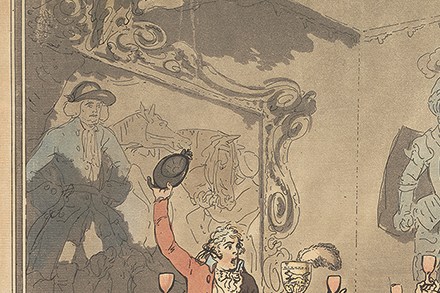
Georgian dining, if you were wealthy, was an incredible experience. Everything, from the location to the furniture, was carefully planned and meticulously executed to really hammer home the taste, status and impeccable education of the host. This was of course regardless of the actual likings, wealth and intellectual leanings of the party-giver. One of the delights of Amy Boyington’s book is the descriptions of the many, frequently ghastly, aristocrats whose country pads feature. There are murderers, adulterers, gluttons and spendthrifts. They did eat well, though. The Country House Dining Room is a Yale publication and, as such, can be expected to err toward the academic and the artistic.
A history of the onion leaves one crying for more

I am a big fan of Mark Kurlansky. His Cod is one of a handful of books I recommend to people keen to learn about the way in which certain foods have helped shape the world we live in. But while The Core of the Onion has its moments and is an enjoyable read, it’s a mark of how high Kurlansky has set the bar that it doesn’t quite hit the mark for me. For centuries, no writer has dared to tell the truth about caramelising onions The main problem is its brevity – a mere 240 pages. Given that the author is someone who can write more than 300 riveting pages on New York seen through its relationship with the oyster, it seems strange that a vegetable which is consumed globally and was domesticated at least 7,000 years ago doesn’t merit the same treatment.

English food has always been a moveable feast

There is a lot to like about Diane Purkiss’s English Food. It’s a hefty thing, packed full of titbits to trot out down the pub, but also a serious consideration of how English food has changed over time, and of the perils of assuming there has ever been a golden age, or even a very stable one. The layout is good, organised thematically rather than a chronologically, which saves the book from getting bogged down in repetition, and avoids the common trap of listing endless menus and foodstuffs. The best chapters are often the shortest. The one on apples includes a fascinating collection of facts, folklore and recipes, as well as a consideration of just how difficult it is to work with historic definitions. The section on codlins – a big or small apple? One that cooks to a foam?

With Annie Gray

37 min listen

Annie Gray is a historian, cook and writer who specialises in food from 1600 to present day. On the podcast, she tells Lara and Olivia about a childhood of eating 'frisbee-like' omelettes, why male hares are inedible, and how an episode of Antiques Roadshow nearly jeopardised the release of her new book. Annie Gray's Victory in the Kitchen: The Life of Churchill's Cook, is out now.

William Sitwell’s history of eating out reminds us painfully of what we’re missing

In the concluding chapter of this book the Daily Telegraph’s restaurant critic and recovering vegan-baiter William Sitwell muses on the collapse of Jamie Oliver’s empire last year: ‘His endeavour, passion and hard work wasn’t enough... it was part of a bursting bubble.’ Since then more mid-range chains have announced their imminent demise. Teetering before lockdown, it’s not just the prospect of months of closure and general uncertainty that’s pushing them over the brink but decades of oversupply and a reliance on a cynical model of successful restaurants selling on and out. This book feels timely: a reminder of what we currently can’t have, and how the sector came to be. Sitwell is upfront about his book.