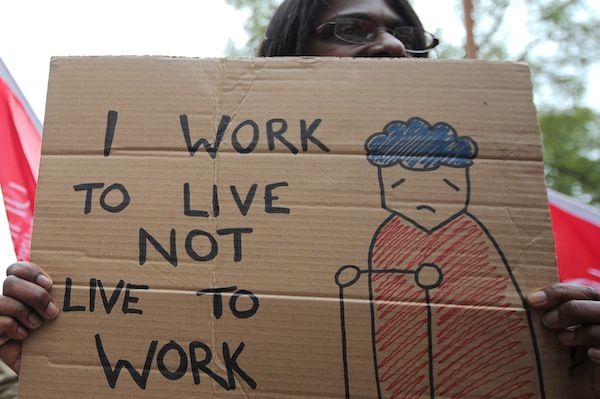
Welfare reform is no longer the sole responsibility of the DWP
The government came to office in 2010 with the promise of revolutionising the welfare state as we have known it. It set out to curtail the cost to taxpayers of working-age welfare, move more people into work and reduce dependence on benefits, while also protecting the living standards of the poor. How much success has this strategy had? Ministers can justifiably claim credit for adding considerably to the numbers of people in work. The government’s welfare-to-work strategy has helped reduce worklessness to its lowest level in two decades. Likewise the government has successfully cut the overall working-age welfare budget, not only as a proportion of national income but also in real terms – a feat that eluded even Mrs Thatcher’s government.