Amy Wilentz

Amy Wilentz is the author of Farewell, Fred Voodoo: A Letter from Haiti.

James MacMillan, Sebastian Morello, Amy Wilentz, Sam Leith and Lloyd Evans

32 min listen

This week: composer James MacMillan reads his diary on the beautiful music of football (01:11); Sebastian Morello tells us about the deep connection between hunting and Christianity (07:17); Amy Wilentz explains how Vodou fuels Haiti’s gang culture (16:14); The Spectator’s literary editor Sam Leith reviews The Virago Book of Friendship (22:38); and – from the arts pages – The Spectator’s theatre critic Lloyd Evans writes about a new play on the last days of Liz Truss and also about Bette and Joan, which includes 'brutal' and 'brilliant' portraits of Bette Davis and Joan Crawford (26:37). Presented by Oscar Edmondson. Produced by Patrick Gibbons and Oscar Edmondson.
The Vodou kingpin behind Haiti’s latest massacre

For a politician known for his ability to shock, Donald Trump managed to outdo himself with his baseless claim during last year’s presidential debate that Haitian immigrants in Springfield, Ohio, were stealing, butchering and eating household pets. Regardless of this racist lie – new Haitian immigrants to Ohio do not eat people’s pets and are in the main perfectly respectable – Haiti itself is a mess and a good place to flee. The country’s extreme problems can’t be denied, although the US is doing a good job of ignoring them. Dictators assume guilt by association: if one old person is against you, they may all be killed Since the devastating earthquake of 2010, criminal gangs have grown larger and more powerful.

Gangs are on the verge of taking over Haiti

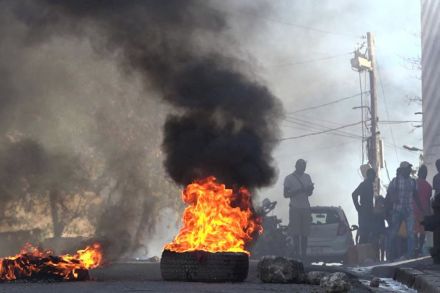
Haiti seems to be on the verge of complete collapse. In the past few days, the country’s gangs – which already controlled 80 per cent of the capital city of Port-au-Prince – have waged a serious assault against the government while the de facto prime minister Ariel Henry is in Kenya. On Saturday there was a mass prison break, with around 5,000 former prisoners on the loose, some of them notorious gang leaders. Just in the past few days, there have been attacks against police stations, the port, the police academy, border force officials and the international airport. Threats have been made against the state hospital, which was forced to close, and the national palace. US based airlines have suspended all flights in and out of Haiti.

Why Haiti’s president was assassinated

There was a time when Haiti was at the centre of the New World. It was one of the richest islands on the globe, producing cane sugar for the sweet tooth of Europe. It cultivated coffee, cotton and rice, and it produced rum. The Pearl of the Antilles, the island stood at the gateway to all the resources of South and Central America. Mexico, with all its gold, lay just beyond Haiti’s northernmost cape. Great powers of the era — France, Britain, Germany, and the United States — vied for political and military control. Now Haiti is failed state. Failed by the West after centuries of violence and resource extraction and failed by its own leaders who have also enriched themselves off the backs of their compatriots.

Toussaint Louverture: the true hero of Haiti

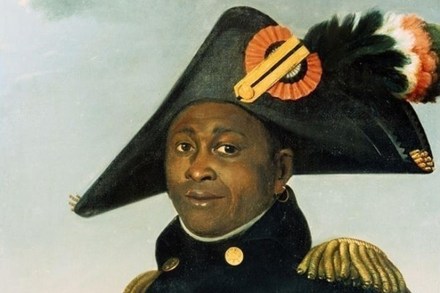
In Haiti you have to be careful which founding father you admire. The average Haitian will think first of Toussaint Louverture when talking about their island’s revolt against France in the late 18th century, and about the original idea of a full-fledged Black republic: Toussaint the stable, the intense, the military genius, courageous, careful. But for others, the real hero of the revolution is Jean-Jacques Dessalines, or Papa Dessalines, who is said to have connived with the French to remove Toussaint from power. Once France had exiled Toussaint, Dessalines turned on the French, rejecting their ‘peace’ and authority. He prosecuted the revolution to its bloody end, but without the restraint that Toussaint had often demanded from his fighters.