Ameer Kotecha

Ameer Kotecha is CEO of the Centre for Government Reform. He was formerly a senior diplomat, serving as the head of the British consulate in Russia 2023-25. He is the author of Queen Elizabeth II’s official Platinum Jubilee Cookbook (Bloomsbury).

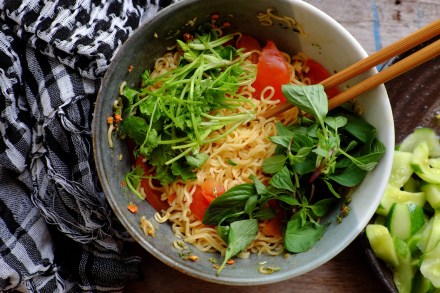
How to jazz up instant noodles

From our UK edition

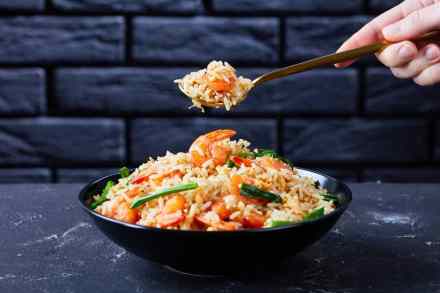
During a long year of lockdown, we have all been cooking at home like never before. It’s been a delight to be able to spend all evening stirring a pot of risotto with no social plans to feel guilty about missing. But these stretched-out times, be they languorous or languid, are coming to an end. The social diary is filling up, and I for one don’t plan on missing a long-awaited reunion with mates because I need to be around to check on the roasties. Sometimes we all need something quick and easy for dinner. That’s when I turn to instant noodles. For a self-avowed ‘foodie’, this is quite an admission. But for those days where speed is everything, and the alternative is therefore UberEats, there are far worse things.

The enduring appeal of the Aga

From our UK edition

A cooker is not just for cooking. That is the starting point to understanding the Aga. It is impractical, environmentally unfriendly, and expensive. Everyone – including the Aga’s most ardent devotees – knows that. And yet the Aga cooker next year will celebrate its centenary. Despite all the modern appliances that should long ago have rendered it obsolete, these enamel-coated cast-iron behemoths continue to soldier on indefatigably. They are one of the twenty first century’s great survivors. The brand has a glorious history. The Aga cooker was invented by a Nobel Prize-winning Swedish physicist.

Why we should all be game for venison

From our UK edition

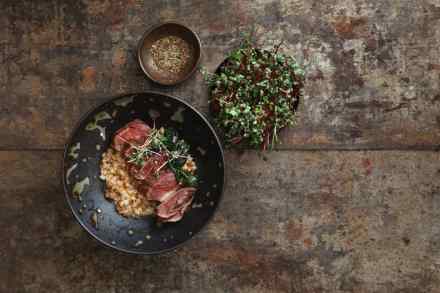
Venison’s attributes are remarkable. It is the probably the most sustainable meat you can eat, given the unquestionable need to manage the country’s deer population to stop these elegant but pesky creatures from damaging woodland and wildlife habitats. And what of its health credentials? The deer’s free-foraging, cross-country roaming lifestyle makes it incredibly lean: higher in protein and lower in fat than any other meat, with zero cholesterol. Ethically minded chefs and environmentalists have long been making the case for us to eat more venison, and more game generally. The Countryside Alliance’s ‘Game-to-Eat’ campaign has been banging the drum for years.

Kitchen techniques to perfect during lockdown

From our UK edition

No-one is born knowing how to poach an egg. Indeed, the technique is hardly intuitive: the addition of a little vinegar, whisking the water to create a swirling vortex. Just as golfing enthusiasts barred from hitting the links have resorted to putting practice in their living rooms, a lazy lockdown weekend feels like an ideal time to perfect classic cooking techniques. Here are six to try. Spinning sugar Spun sugar is a guaranteed way of achieving collective ‘oohs’ and ‘aahs’ from assembled guests at your next dinner party. Playing around with burning hot sugar is however the sort of thing that can tip you over the edge should you attempt it unpractised whilst trying to make polite conversation with the in-laws between courses.

Pile them high: inventive toppings for pancake day

From our UK edition

Next Tuesday the banal humdrum of lockdown life will be interrupted, however briefly. No longer the sad, soggy Weetabix while listening to the daily hospitalisation numbers or Special K eaten at your makeshift desk. No, even if just for a couple of hours, next Tuesday is an opportunity to block out the Outlook calendar and have some fun in the kitchen. Shrove Tuesday. Pancake Day. It’s a funny old thing. We don’t have a celebratory day dedicated to trifle or sticky toffee pudding (though we should). Of course there’s logic to our scoffing our faces with pancakes on this day preceding Lent—it was traditionally the way to use up rich foods such as eggs, butter, milk and sugar before the fasting began.

Can a carnivore survive Veganuary?

From our UK edition

Veganuary is not normally something I’d go in for. I’m sceptical of food fads at the best of times and these are sadly not the best of times. If I’m going to be stuck in lockdown I want a steak dinner to cheer me up after a hard day’s Zooming, and maybe just a rasher or two of Ginger Pig bacon to motivate me on a dreary morning. But having eaten enough turkey (and goose, and ham) for several people on a friendless Christmas Day, I see the attraction of going cold turkey for a month. It’s also always been restaurants that have stopped me attempting Veganuary before. I mean, who wants to go to Dishoom and not get the bacon naan roll? Or go to Nando’s and opt for a big plate of coleslaw and chips?

Six global alternatives to Christmas pudding

From our UK edition

The traditional Christmas meal takes on different guises around the globe. Our festive table groaning under turkey and all the trimmings would look quite unrecognisable to many. For Jewish people living in the US the tradition at Christmas is to eat Chinese food. And in Japan come Christmas you’ll find everyone eating KFC. Seriously—you have to be sure to order your friend chicken weeks in advance to avoid disappointment. I don’t suggest looking to Japan for Christmas culinary inspiration, but there is the odd thing we might want to borrow from abroad. Namely, dessert. Call me a heretic but I’ve never much liked Christmas pudding. Too dense and heavy; packed full of nice things but somehow underwhelming.

What to eat at Diwali

From our UK edition

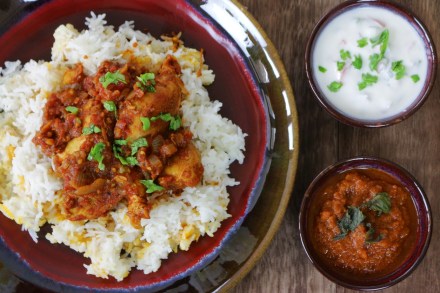
Diwali, which falls this year on November 14th, is a festival of family, fireworks and food. Here are the dishes to try to keep the Diwali flame alive in a Covid winter. Covid has already put paid to regular Diwali celebrations. It was inevitable: eight people around the table to tuck into a Christmas turkey is one thing; a Diwali gathering involving your typical Asian extended family— aunts, uncles, fourth cousins and all—is quite another. But, as a festival celebrating the triumph of light over darkness, we should all get in on the cheer and do our best to salvage the festivities by rustling up some celebratory food.

Is it time to say adieu to avocado toast?

From our UK edition

Oh the avo. The fruit that launched a thousand tweets. This millennial Holy Grail has done more to divide generations than anything save perhaps Brexit. It has been three years since Australian property developer Tim Gurner became a hate figure for suggesting in a TV interview that it was not economic difficulty that was keeping millennials from getting on the housing ladder but a tendency to spend $19 on smashed avos for brunch. Millennials vented their anger in the only way they know how—by twitter tirade. Perhaps it would have been more fitting to pelt Tim with over-ripe avos for his audacity. To eat avocado on toast in public is now as bold and unequivocal a statement one can make on their position in the contemporary culture wars.

I love my Le Creuset dish – and I’m not alone

From our UK edition

If you’re trying to determine someone’s class and the accent is hard to place, you could do worse than check the brand of their pans. Le Creuset has been a staple of upper-middle class British kitchens for years – the sort of Eurocentric brand that contains just a hint of francophile exoticism whilst conjuring up the British comfort food of old: casseroles, stews and soups. And, if Instagram is anything to go by, Millennials are also cottoning onto the appeal. With the rise of #cottagecore and the boom in home cooking that came about over lockdown, Le Creuset doesn’t seem to be disappearing any time soon.

A guide to Greek eats – from souvlaki to spanakopita

From our UK edition

The legacy of Greek antiquity extends to the country’s cuisine. One eats there as the Ancients would have done—Greek yoghurt and honey for breakfast, simply-cooked fish and cold wine for lunch and supper—as one reclines languidly on the klinai couch, grapes dangling from the mouth, like Dionysius and Adephagia. Greek food can sometimes be disparaged as crude and one-dimensional: the runt of the Mediterranean litter, overshadowed by the glorious culinary traditions of France and Italy. But, for me, its beauty lies in its simplicity. And while it is often familiar it is simultaneously unexpected: fat olives in spectacular Greek salads, but also acerbic caper leaves. Feta crumbled atop everything, but baked too with aubergines and peppers.