Alec Marsh

Alec Marsh’s latest novel, Cut and Run, is published by Sharpe Books.

How better to spend £80 billion: HS2 or a proper British space programme?

There is no humbler reminder of Britain’s diminished place in the Universe than the sight of hostile aliens from Mars choosing to commence their assault on Planet Earth in New York City – rather than at the strategically vital Surrey towns of Dorking or Woking, as H G Wells had originally conceived it in The War of the Worlds. For another example, look no further than the exceptional 1996 B-movie, Independence Day, where there is but a fleeting British moment when the all-conquering megalithic flying saucers of the invading extra-terrestrials obliterate the Houses of Parliament. For the rest of the time it’s the yanks that feel the heat. Welcome as that is in some respects, it is perhaps not surprising.

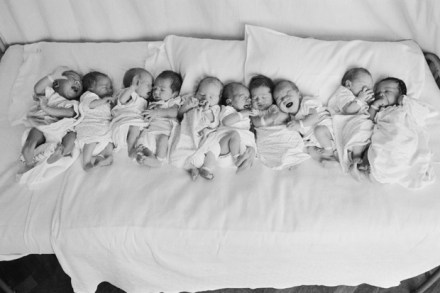
Why fashionable baby names are impossible to avoid

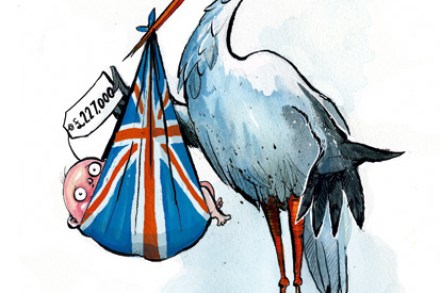
The latest official lists of the 100 most popular boys and girls’ names in England and Wales confirm the dominance of the Old Testament as well as the Edwardian ascendancy in the hearts of our nation’s newest parents. With the Calebs, Jacobs, Noahs, Samuels, Alfies and Freddies, the names given to boys in 2015 read like a rustic mash-up of Moby Dick and The Importance of Being Earnest. I have no objection to the Old Testament, nor late Victorian or Edwardian names  – indeed to borrow the Telegraph’s gag, it’s super to see Doris getting her day again – but I do wonder why people choose names that so frequently lead the most popular lists.

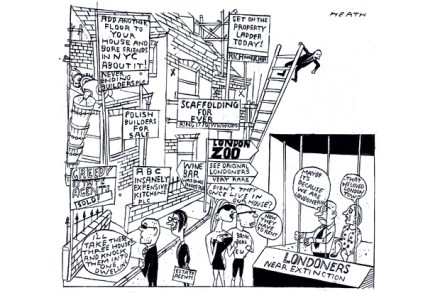
London’s old elite is discovering how it feels to be priced out

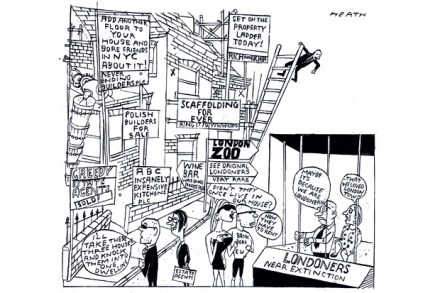
‘Super-rich foreigners are “forcing” the old money elite out of London’s prime postcodes.’ So declares London’s Evening Standard newspaper – confirming what the rest of us knew anyway. Indeed it was in the Spectator three years ago that I pointed out that central London was turning into Venice – a zombie city devoid of actual life with absentee foreign owners undermining its identity. The lights aren’t on and no one's at home, because they’re in Monaco or Dubai or Shanghai. And now, thanks to a new report, we all – including even the Evening Standard’s property correspondent – know it’s true. According to Dr Luna Glucksberg of the International Inequalities Institute (good grief!

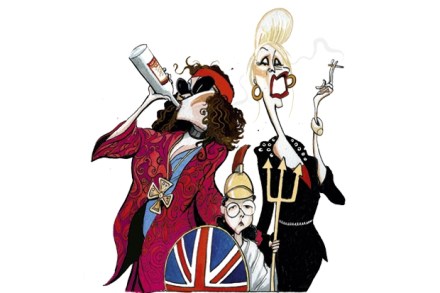
‘Honour thy son and thy daughter’ is the new secular commandment

Unseemly as the public blood-letting between stand-up comic Joshua Howie and his apparently less-than-absolutely-fabulous mother Lynne Franks undoubtedly is, it nonetheless sheds light on a powerful tension at the heart of many of the nation’s families. Because whatever you think about self-proclaimed ‘Golden parent’ Howie’s motivation for decrying his ‘awful parent’ mother (not very much if you ask me, but he does have a radio show to promote), a critical point remains at stake. Were Baby Boomers bad, selfish parents, as he claims, and are their successors better? One thing everyone can agree on is that over the last forty years the position of children in society has changed dramatically.

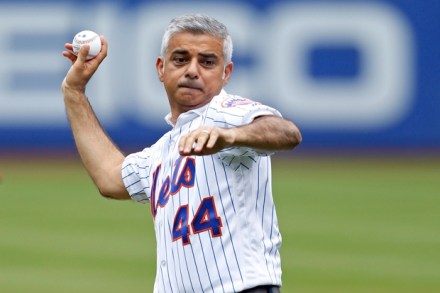
The wonderful unfairness of the Olympics

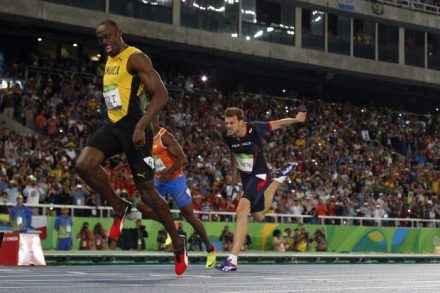
Does the Olympics medal table reflect more than just sporting prowess? If you take a look at which countries have won the most golds since the first modern games in 1896, it certainly looks that way. Without exception, the winning nations are either those running the planet – or the ones who were about to try. In fact, just six countries have occupied the top slot at the 27 Games so far over the past 120 years. Five of these are also permanent members of the United Nations Security Council; whilst the sixth, Germany, (who won in 1936) would also be on the Security Council, but for the inconvenient fact of the Second World War.

The government can’t ‘phase out’ Latin from the English language

In his essay, Politics and the English Language, George Orwell famously exhorted writers to be cautious of allowing ready words or prefabricated phrases to affect whatever it was he or she wished to articulate. ‘Let the meaning choose the word, and not the other way about,’ he wrote. Seventy years on, Whitehall Mandarins have spoken. ‘We promote the use of plain English on GOV.UK,’ writes one of their number from the Government Digital Service, announcing a new policy on which words cannot be used on government websites. ‘We advocate simple, clear language. Terms like eg, ie and etc, while common, make reading difficult for some.

The war on Christians is extending into Turkey

Turkey's President Erdogan is already facing international calls to respect human rights in Turkey following last weekend’s failed coup. Now he's also being encouraged to champion the rights of Christians living in the country as well. The call is coming from the Anglican Church’s venerable man in Istanbul, Canon Ian Sherwood, who for 28 years has been chaplain of the British consulate there and priest of the Crimean Memorial Church in the city. ‘As long-centuries established Christians in Turkey we are alarmed at how life is evolving in Turkey,’ says Sherwood, who warns that the climate of tolerance has changed in the country, which is more than 99 per cent Muslim, mainly Sunni.

Britain’s accidental one-child policy

[audioplayer src='http://traffic.libsyn.com/spectator/TheViewFrom22_30_January_2014_v4.mp3' title='Alec Marsh discuss the death of the big middle class family'] Listen [/audioplayer]The future Mrs Marsh and I wait outside a small Victorian terraced house for an estate agent. It’s a familiar Saturday scene, especially in W7 — the last London postcode before you reach Middlesex and an area I formerly classified as the dark side of the moon. Hanwell is where estate agents are fanning the flames of a house-buying firestorm, like therapists prescribing amphetamines to hyperactive children. Here, as on the edges of so many British cities, middle-class buyers driven from even more expensive districts converge in a desperate bid to find a home.

Welcome to Big Venice: How London became a tourist-trap city

Queuing to gain admittance to the pavement of Westminster Bridge on a ferociously hot Sunday afternoon recently, I found myself trapped. Pinioned by a road to one side, a stall selling models of Big Ben and snow-dome Buckingham Palaces to the other, and bordered by the great bronze statue of Boudicca, I was caught in a corralled mass of tourists and going nowhere fast. It occurred to me that the last time I experienced such a peculiar blend of urban misery was in Venice. This might have been the Rialto in August. But it wasn’t the Grand Canal that we were crossing, it was the Thames, and it started me thinking about the similarities of life in London and Venice.