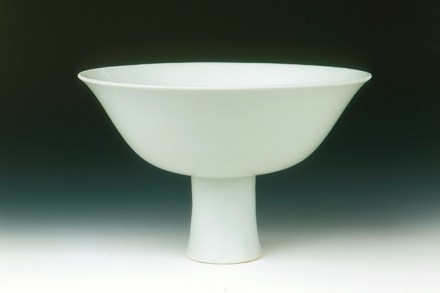
A terrible beauty
Good pottery appears to be cool and silent — something vulnerable that, with luck, can outlast many human generations. A white porcelain dish seems calm and decorous; one knows that skill went into its evenness, into the exact whiteness, into its lightness. But when I began to think about pots I had no idea of the extreme violence, happenstance and risk that are an intrinsic part of the maker’s art. The chemistry is complex; the potter needs to study it intimately — the composition of different clays, of glazes, of rare and valuable pigments (cobalt for instance), and of the firewood that makes the fire. Pottery-making can be poisonous from fumes, and tasting deadly dyes. The history of the art is littered with terrible disasters.