
Economics newsletter
Did Brexit really harm economic growth?
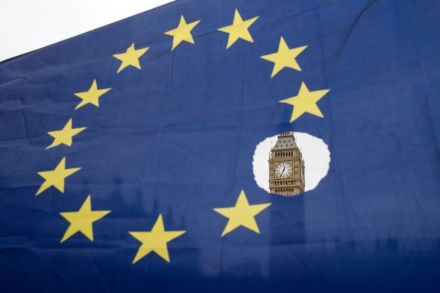
This weekend, there were more claims that Brexit has led to slow economic growth in the UK, repeating the views of senior Labour politicians seeking re-entry into the European Union. It is hard to disentangle the economic effects of Brexit from those of the Covid lockdowns and the Russia–Ukraine and US–Iran wars An article in the Sunday Times said it is ‘irritating’ when people say Brexit’s effect on the economy ‘cannot have been that bad because, since 2016, the UK’s economic growth has been in line with the big European economies’.
MPs don’t want to confront the youth worklessness crisis
‘It is hard not to be pessimistic when you examine the data,’ former health secretary Alan Milburn says in the foreword to his report into young people doing nothing with their lives. That is quite the understatement. Figures released this morning by the Office for National Statistics show that the number of those classed as not in education, employment or training (Neets) has passed one million – 13.5 per cent of all 16 to 24-year-olds. But Milburn’s review into the crisis suggests we are nowhere near the peak. Forecasting carried out for the report estimates that the rate could hit 16 per cent within five years, meaning more than 1.25 million young Britons would be classed as Neets.

Reform’s overtime policy is comically bad
Labour’s increase to employer National Insurance as part of the 2024 Budget may well have been the worst tax rise it was possible to come up with – leading only to lower wages and reduced employment. Now Reform UK appear determined to find the worst possible tax cut, with their proposal to exempt overtime from income tax. The party calls it a ‘hard work bonus’, says it will cost £5 billion a year, and that welfare cuts will pay for it. It is a clever and bold piece of PR. It is also, on almost any view, terrible. Reform have caught a disease normally found on the left – they’re ignoring incentives. They think their policy encourages more overtime.

Burnham’s buses show why he will probably fail as prime minister
It’s one of those political facts that everyone parrots without really knowing whether it’s true: Andy Burnham has, in his own words, ‘transformed’ Greater Manchester’s bus service. Burnham’s publicly-controlled double-deckers are Exhibit A in the claim that his ‘Manchesterism’ amounts to more than a catchphrase. Real voters, including in Makerfield, bring it up spontaneously. And even the SW1 classes, while often dismissing Our Next Prime Minister as a weathervane and lightweight, usually mention the buses. What’s the point of being in power if you’re never willing to use your political capital to do anything serious?
Streeting’s wealth tax could be very costly
Claim: Streeting’s wealth tax would raise £12 billion a year. Reality Check verdict: False Wes Streeting has proposed a ‘wealth tax that works’, raising around £12 billion a year by aligning capital gains tax rates with income tax rates. That would mean an increase in the top rate from 24 per cent to 45 per cent. He says ‘a pound made from simply owning assets should not be taxed less than a pound made from a hard day’s work.’ There are a few problems with his proposal. It would mean huge tax rates on assets that hadn’t actually made money, after inflation. It reduces the incentive to take investment risks that make us all richer – though Streeting has proposed allowances for ‘genuine entrepreneurialism’.

Labour’s supermarket socialism will end in trouble
Here’s your starter for ten. When did this report appear on the BBC’s website? “The government is discussing plans for supermarkets to introduce a cap on the price of basic food items to help tackle the rising cost of living. A voluntary agreement with major retailers could see price reductions on basic food items like bread and milk. Downing Street sources have stressed that there are no plans for a mandatory price cap. Supermarkets are expected to be allowed to select which items they would cap.” It is difficult to think of a more idiotic, wrong-headed and misguided mechanism for tackling inflation We learned last night that Rachel Reeves is asking supermarkets to impose a voluntary price cap on around twenty items.

The real reason inflation has fallen
Reprieve! The British consumer has received a stay of execution. Figures just released by the Office for National Statistics (ONS) show inflation last month fell to 2.8 per cent – down from 3.3 per cent in March and by more than most economists had forecast. But don’t bother reading the ‘corner has been turned’ press release that the government will issue later, because today’s improvement is sadly not about to become a trend. Rachel Reeves has played some part in these figures: by removing various energy levies from household bills and freezing some other regulated costs. That's meant price rises in April were not as bad as they might otherwise have been. But the real reason the figures have come down is because of how bad Awful April was last year.

The youth unemployment crisis is Starmer’s legacy
When Labour MPs eventually hoof Keir Starmer out of office, the Prime Minister and his neighbour in No. 11 will surely come to be remembered for one failing above all others: the youth unemployment crisis. Look at unemployment among Britain’s young and an even bleaker, yet more concrete, picture emerges Figures just released by the Office for National Statistics (ONS) show the unemployment rate climbed again to 5 per cent – up half a percentage point on a year ago. Worse: the true unemployment figure is probably a tad higher. The single-month estimate for February is implausibly low compared with neighbouring months (it's 5.5 per cent in March) and so, when it falls out of the three-month average next month, an even worse picture will likely emerge.
Wes Streeting would be a disastrous PM – but not for the reason you think
The joke doing the rounds over the past couple of days has been that the choice of Sir Keir Starmer’s successor is between a candidate too frightened to go for it, another who is salivating over it but can’t go for it, a third who was investigated over her tax affairs and a fourth who has already done it and was so bad at it that his successor was Jeremy Corbyn. If you think we have had stasis under Starmer, just wait until we have a PM at odds with Labour MPs As an unashamed admirer of Tony Blair, I should be thrilled that there is at least one potential Labour prime minister who has a basic understanding of the real world.

The trouble with Gordon Brown
When Keir Starmer needed advice about clinging to power in Downing Street, there was only one person to call. Gordon Brown knows all about hiding behind the net curtains of No. 10 as electoral reality sets in. As Labour fell to a historic defeat at the local elections, the Prime Minister decided that what voters wanted was a special envoy on global finance – and that a Labour prime minister who never won an election was the man for the job. Brown has been keeping himself busy doing what he does best: settling scores The appointment is the latest act in Gordon Brown’s rather happy post-prime ministerial life. Brown has been keeping himself busy doing what he does best: settling scores. Every now and then, his great clunking fist descends from the clouds to take someone out.