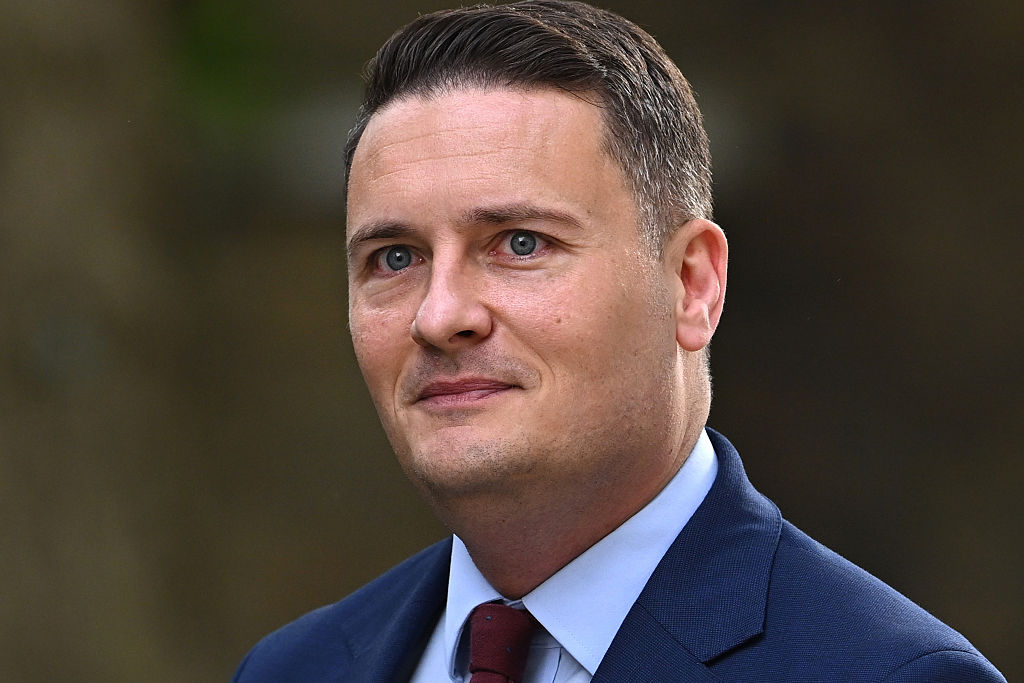
Claim: Streeting’s wealth tax would raise £12 billion a year.
Reality Check verdict: False
Wes Streeting has proposed a ‘wealth tax that works’, raising around £12 billion a year by aligning capital gains tax rates with income tax rates. That would mean an increase in the top rate from 24 per cent to 45 per cent. He says ‘a pound made from simply owning assets should not be taxed less than a pound made from a hard day’s work.’
There are a few problems with his proposal. It would mean huge tax rates on assets that hadn’t actually made money, after inflation. It reduces the incentive to take investment risks that make us all richer – though Streeting has proposed allowances for ‘genuine entrepreneurialism’. It would raise rates of double taxation, on corporate profits and on investments made with income that had already been taxed. And there’s another big problem: it might not raise any money.
By HMRC’s own estimates, raising the higher rate by one percentage point this year would cut the tax take in three years’ time by £140 million. Raising it by ten percentage points (Streeting proposes 20) would cut the take by £3.6 billion, as investors park their money to delay paying tax or flee the country. The top 1 per cent of taxpayers pay almost half of all capital gains tax.
Streeting’s isn’t a classic wealth tax, a recurring levy on all of someone’s worth. But he calls it a wealth tax, so it’s worth bearing in mind that where wealth taxes have been tried, they haven’t worked and have frequently been abandoned. The quicker Streeting ditches this proposal, the better.





Comments