Zen

Is coffee-drinking the new secular religion?

A lot of books, obviously depending on what mood you’re in and viewed from a certain angle, slantwise or squintlike, hover on the edge of self-parody: the Bible; poetry, particularly if American; pretty much everything on a Booker shortlist; Wittgenstein’s Tractatus; Ottolenghi’s cookbooks. Like most things, the best approach to books is to view them with a mixture of open-minded curiosity and outright hostility – is this thing actually profound, useful, interesting or an irritating waste of time and money, a bit of a joke, offensive, crass or just stupid and worth avoiding at all costs?

The problem with westerners seeking oriental enlightenment

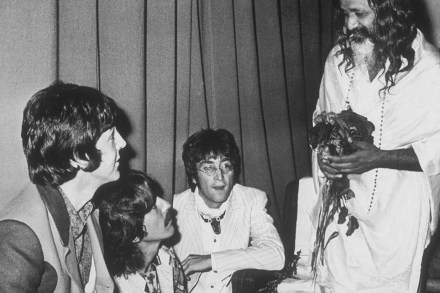
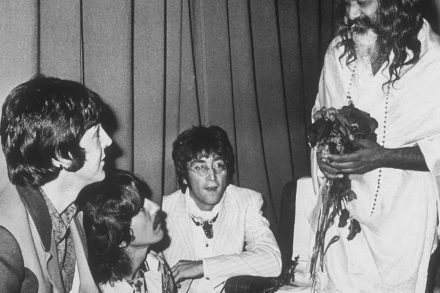
Call it a prejudice if you like. Living in Japan in the 1970s, I had a slight aversion to a particular type of westerner. He – for it was mostly a he – usually lived in Kyoto, sometimes wore a kimono and liked to sit in ancient temples chasing after that presumably blissful moment of enlightenment, awakening, satori, or whatever one wishes to call it. These seekers were less interested in Japan as a society of human beings. They wanted to float in higher spheres. As Christopher Harding explains in The Light of Asia, the Zen adepts, the Buddhist chanters, the rock-garden worshippers, the kimonoed fools (in my no doubt blinkered eyes) were part of a long western tradition. He identifies two ancient western perceptions of the ‘East’, by which he really means India, China and Japan.