Youtube

Thank God for the return of the generation gap in pop

In June, a 20-year-old man called Jahseh Onfroy was murdered after leaving a motorcycle dealership in Deerfield Beach, Florida. Onfroy was a rapper, who recorded under the name XXXTentacion, and he had become extraordinarily successful — his two albums had reached No. 2 and No. 1 in the US, despite moderate sales, because of the amount of online plays they had received. The day after he died, my social-media timelines were full of music writers discussing his death, and the tenor — from those with kids, at least — was clear. Post after post noted that XXXTentacion was a nasty piece of work, and few should mourn him, yet the

The vlogging fantasy that bewitches children

My friend’s ten-year-old daughter has a new hobby. Like many of her school pals, she hopes to become a video blogger — a ‘vlogger’. She has started to record clips of herself for others to watch, share and ‘like’. She showed me a few, then gave me a list of famous vloggers to watch: JoJo Siwa, iJustine, Noodlerella, Zoella. Their names sounded so bizarre. But they are totally familiar to tweenage girls. Like an earnest marketing executive, my friend’s daughter then explained to me that it was all a matter of numbers. If her videos are viewed 40,000 times on YouTube, she can have adverts placed on them; 100,000, and

Kevin Allocca glosses over YouTube’s terrifying power

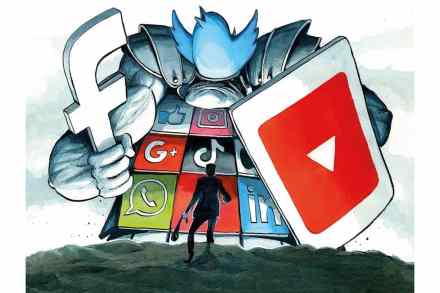
On 25 April 2005, Jawed Karim sent an email to his friends announcing the launch of a new video site — intended for dating — called youtube.com. Within 18 months, the site was being used to view 100 million videos a day. Last year it had more than a billion users, watching five billion videos every day, with creators uploading 300 hours of video to YouTube every minute. Given this almost incomprehensible scale, it’s fitting that the word Videocracy — the title of YouTube Head of Trends Kevin Allocca’s history of the site — evokes the idea of an authoritarian dystopia. Like any approved account from such a regime, its