Xenophobia

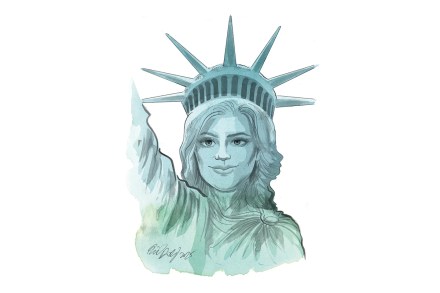
Our resentment of migrants is centuries old: the Little Englanders of the Tudor era

From our UK edition

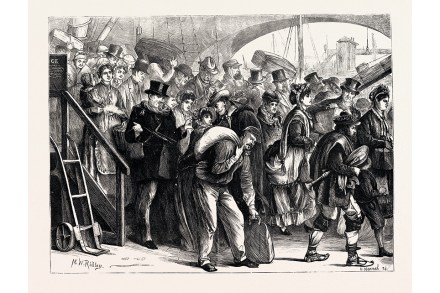
This Little World opens with a description of the riots of 1517, an explosion of pent-up hostility and resentment against ‘strangers and aliens’. Recently arrived migrants from France and the Low Countries were blamed for aggravating the poverty and want suffered by locals. That Easter, a rabble-rousing preacher had called for Londoners to remedy this injustice: ‘As birds would defend their nest, so ought Englishmen to cherish and defend themselves, and to hurt and grieve aliens for the common weale.’ Soon afterwards, on the May Day holiday, apprentices gave drunken, unruly vent to their frustration in riots. Five hundred years flash by and so little has changed.

The humiliating truth about the way we think

From our UK edition

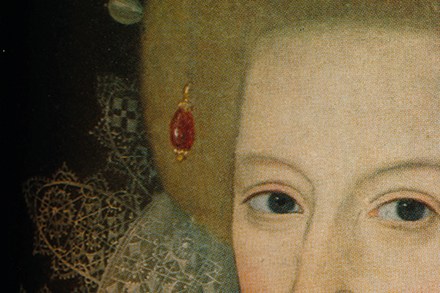
Over the long span of human existence, different cultures have held varying notions as to how responsible we are for our own thoughts and beliefs. Before the dawn of the Abrahamic religions, and in places untouched by these faiths, it tended to be the rule that individual members of the group could only be understood as parts of the whole, or in the grander cosmic scheme of things. The ascendence of Christianity in Europe, with its idea of the indivisible soul, tilted matters more towards a belief in individual agency and accountability. This concept, secularised by Descartes, who gave us the commanding rational ego, has proved resilient ever since, despite the best efforts of Freud, neuroscience and gene selection theory to dethrone it.

Meet the e-girls selling European decline to America

Earlier this year, a striking 28-year-old woman, dressed head to toe in a vivid shade of crimson, stepped up to the podium at a conference in Hungary. “Ladies and gentlemen: hello Budapest. I’m so thrilled to be here again,” she began, adjusting the twin microphones and gently swiping a strand of long blonde hair from her forehead. “As some of you might remember, last year I gave here a speech as well, about the ‘great replacement,’” she continued, confidently glancing around the assembled audience. “I wanted the whole world to know that the ‘great replacement theory’ was, in fact, not a theory, but reality. White people are becoming a minority in their own homelands at an exceptionally fast rate.

e-

The rewards of being the ‘asylum capital of the world’

From our UK edition

They came on a small, crowded, leaky boat from Calais towards Dover in seas that could turn from placid to treacherous in an instant, around 30 people seeking sanctuary from persecution, unsure of the welcome they would receive. ‘We were seized by horrible vomitings and most of the party became so dreadfully ill they thought they were dying,’ one of the group, a young mother accompanied by her two children, wrote later. The year was 1620 and quite possibly among the refugees might have been a forebear of Nigel Farage. This small boat, one of many hundreds that crossed the Channel in the late 16th and early 17th centuries, was full of Huguenot asylum seekers fleeing Catholic France and the Lowlands.