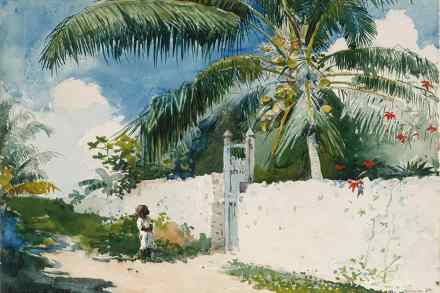
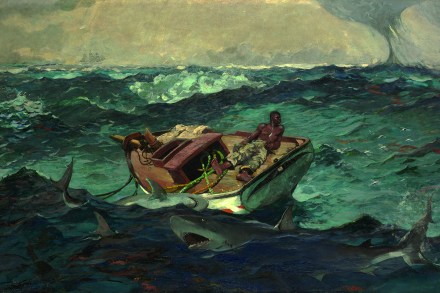
There’s much more to Winslow Homer than his dramatic seascapes
Until the invention of photography war reportage depended on old-fashioned illustration, and even after that the illustrated press took a while to catch up. Photographic reproduction didn’t work on cheap newsprint, which demanded a crispness of definition that early photography couldn’t provide. So reports on the American Civil War in the new illustrated periodicals aimed at the middle classes continued to rely on wood engraving, and it was as a print designer that the 25-year-old Winslow Homer was sent by Harper’s Weekly to cover the fighting in 1861. Apprenticed to a commercial lithographer at the age of 19, Homer had no formal training as an artist but he had a nose for the decisive moment that added drama to a reporter’s copy.