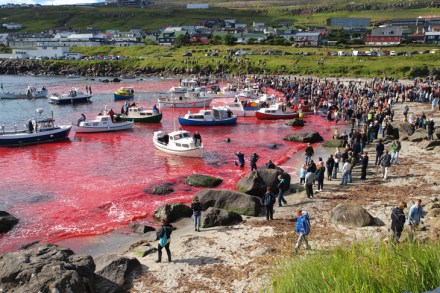
Whaling

Black History Month and the usable past

This is Black History Month when we are invited to think through a certain spectrum of the people who came before us. As it happens, I am very much interested in black history. I wrote a book about it, 1620: A Critical Response to the 1619 Project, and several books about diversity, and I have been working for several years on a nearly completed documentary about the early days of black theater and film. But, lacking any black ancestors, I must make do with my own sketchy line of progenitors. When I was growing up in the Fifties and Sixties, my father attempted to find his great-grandfather — GGF in anthropological parlance. GGF had an air of mystery since all anyone knew about him was his last name and GGM’s inveterate reply when asked about him: “He was lost at sea.

black history month

Will all whales soon be extinct?

Nick Pyenson, curator of fossil marine mammals at the Smithsonian Institute in Washington, is quick to tell us he’s not a ‘whale hugger’. ‘I didn’t fall asleep snuggling stuffed whales or decorate my room with posters of humpbacks suspended in prismatic light.’ Pyenson sees whales through their ancestral bones, and their contemporary entrails, digging up their past or scrying their future. Spying on Whales begins its surveillance in the fossil-rich site of Cerro Ballena (‘Whale Hill’) in the Atacama desert. Here, in the Miocene layers, he uncovers an entire pod of ancient, stranded whales, stilled in the moment of their deep-time death. It’s an Indiana Jones moment.

whales