Weimar Republic

How interwar Germany became a breeding ground for evil

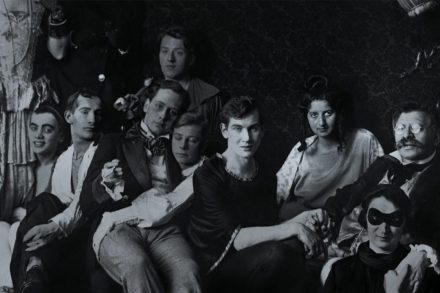
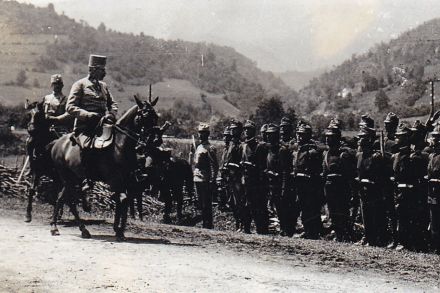
Did no one who lived through the Weimar Republic of 1918-33 see what was coming, asks Victor Sebestyen in his impressive new book. The politicians, the intellectuals, the foreign visitors who converged on Berlin in the wake of the first world war all wrote about the anti-Semitism and violence they witnessed, but virtually no one perceived where Germany was heading until it was too late. A great deal has been written about the Weimar years, much of it in hindsight; but Sebestyen, the author of bestselling books on Hungary and Russia, sets out to relate events as they unfold – to tell the story as it happened. The result is a fascinating portrait of how frighteningly easy it is for a democracy to crumble.
The self-serving delusions of the ‘Swastika Kaiser’

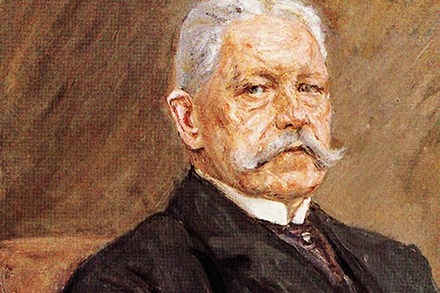
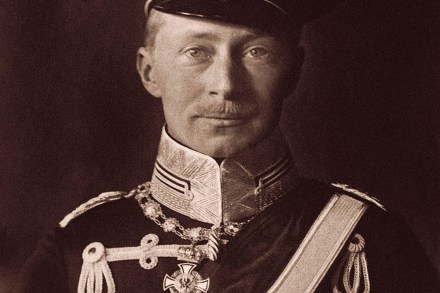
Whenever a new study of the Nazi regime appears, it is taken as a given that after Adolf Hitler seized power and became dictator of Germany in 1933 an egalitarian society emerged, very different to previous decadent, backward-looking generations. In this modern era, it is assumed, the concerns of the Kaiser and the German elite were at best ignored and at worst made another target of the Führer’s purges. In 1933, Wilhelm called Hitler a ‘torchbearer with unparalleled force of conviction and self-sacrifice’ It’s a tempting summation, but an over-simplistic one. As a biographer of the Duke of Windsor, I drew on documents that suggested that Hitler was in fact deeply impressed by the former Edward VIII.