Waymo

Driverless cars must learn to drive like Brits

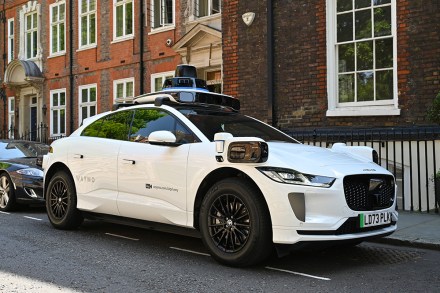
I’ve ridden in Waymo driverless taxis in both Miami and Austin and it is, as you would expect, a slightly surreal experience. When an empty vehicle turns up, displays your glowing initials on the roof, then invites you to unlock the doors via your phone, you feel as if you’re in a science-fiction film. Once you drive off, it feels doubly weird. Yet what’s most surprising is how quickly it ceases to feel strange. After three minutes, you pay scarcely more attention to the progress of the vehicle than you would when riding in a car driven by any competent human driver. A colleague of mine who has used Waymo on faster roads tells me you experience another burst of unease when the car first hits 50mph, but this, too, rapidly dissipates.
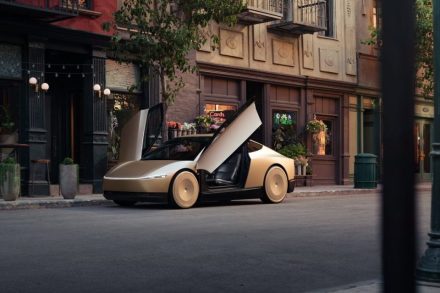
Tesla’s Cybercab promises a better future — for Elon Musk

Each year, more than 40,000 people die in car accidents — and most of them are caused by user error. Set aside drunk driving and texting and live-streaming while driving a McLaren in the rain; even in normal conditions, humans are just not, fundamentally, great drivers. So imagine a future without that; where death by car accident is a freak occurrence and driving is handled by expert computers instead. We don’t use elevator operators anymore and are glad for it — and autopilot systems have long made flights safer. Why not let computers drive us too? True “Level 4” autonomous cars wouldn’t just make commutes more pleasant, letting you read or sleep as your car takes you to work, but save many, many lives. I believe in that future.

tesla