Venice biennale

The Venice Biennale was just that bit worse than usual

The 61st Venice Biennale arrived freighted with portent. To cut a long story short: Russia and Israel were invited to exhibit, and the prize jurors resigned in protest. Then, on preview day, the city was hit by a storm of biblical force. I sat in the Stansted Wetherspoons for hours, oblivious to the fact that the Ryanair ahead of mine was taking a pummeling that ultimately landed it on the wrong side of the Adriatic. “It was terrifying,” a journalist colleague recounted. “And apparently, Bjork was on board, too.” The bad juju had set in last May when Koyo Kouoh, the program’s curator, dropped dead aged 57. The event was left rudderless, and with all due respect – it shows.
biennale

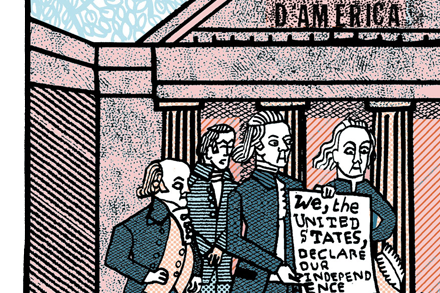
The message behind the US pavilion at the Venice Biennale

“All art is propaganda,” wrote George Orwell, “but not all propaganda is art.” Upon this subtle distinction rests the success or failure of whatever art we see at the Venice Biennale.  The Most Serene Republic’s exercise in art-world Olympics is propaganda by design. A garden of national pavilions – small buildings in various styles as you might find in a zoological park – presents exhibitions that compete with one another for a “Golden Lion for Best National Participation.” Here, in the murky parkland of the Giardini in the city’s eastern Castello district, nationalist and anti-nationalist passions mix with art-market imbroglio into a sordid spectacle. Just how bad will it be this year? To discover the answer is why we keep coming back.