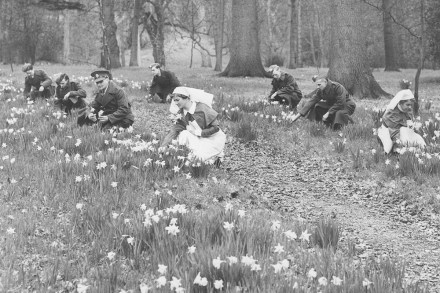
From ballrooms to billets – the fate of our country houses and their owners in wartime
Ever since Brideshead Revisited, both the book and two television series, there has been a fascination with what some of us thought of as the last knockings of the country house, as once splendid aristocratic mansions sank beneath Nissen huts, mistreatment by the armed forces and lack of maintenance during the second world war. But what could this new book tell us? John Martin Robinson alone has published twice on the subject in recent years, and when I read that Judith Lewis’s was a gendered account, my heart sank. But I was wrong. Scholars have tended to overlook the tragedy that requisitioning put on the women for whom a country house was not just an ancestral possession, an expression of power or a grand accumulation of works of art, but a home.