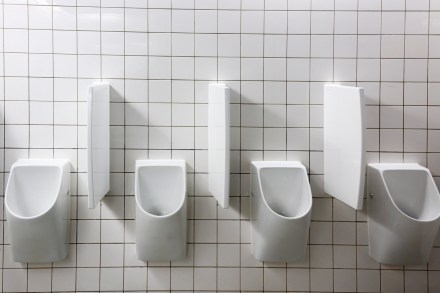
What happens when you can’t pee?
‘I really do think you should think seriously about that operation,’ my urologist told me about a year ago. The plumbing had deteriorated further and, in a calculated gamble for more tranquil twilight years, I eventually capitulated, submitting in early December to a so-called TURP, a transurethral resection of the prostate. Two days later, he sent me home with a reassuring message: ‘It’s settling down nicely, but don’t be alarmed by a little blood in the urine in a few weeks’ time. Expect a sort of “dry rosé” colour when the scabs start to fall off.’ I took that as a green light for a family Christmas in northern Spain, a plan marred only slightly by my Spanish wife Marina’s wrist fracture (she tripped on the stairs) shortly before we set off on Brittany Ferries.