Uk politics

PMQs: Corbyn hones his skills as Leader of the Opposition, but not as an election winner

From our UK edition

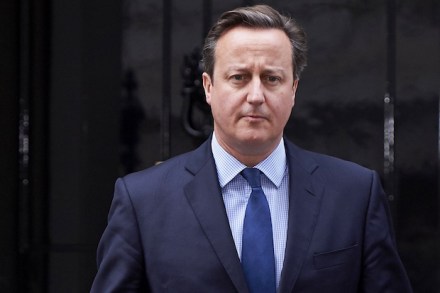
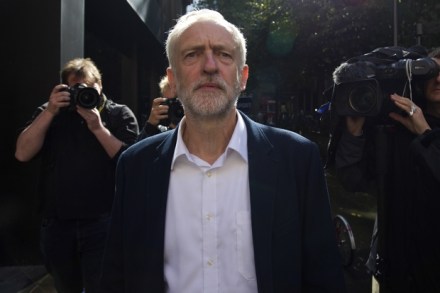
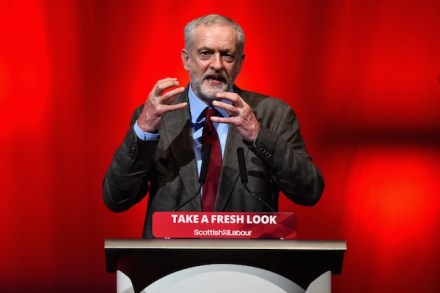
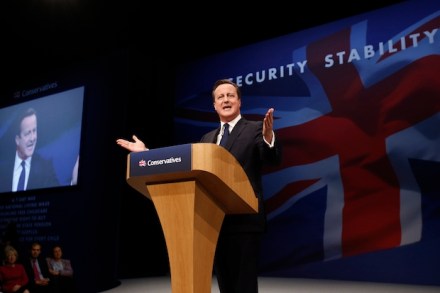
Jeremy Corbyn’s growing confidence at Prime Minister’s Questions is almost perfectly in step with his growing unpopularity outside the Chamber. He has perfected his geography teacher stare of disapproval to the extent that Tory MPs now automatically fall silent when he talks for fear of being kept behind after class. And he isn’t leaping all over the place with a phone-in format that doesn’t hold the Prime Minister to account. This week, the Labour leader focused on tax credits, and highlighted David Cameron’s inability to answer his questions about whether he could guarantee that no-one would be worse off as a result of the changes.

Osborne prepares to face 1922 Committee as Tory anger at peers builds

From our UK edition

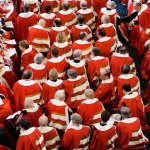
It is difficult to exaggerate the fury in the Tory party at the House of Lords after last night’s double defeat. MPs I have spoken to today want swift and damaging retribution from the government for the Upper Chamber’s behaviour that goes far beyond what ministers are likely to propose, with some suggesting that the bishops should be the first to take the hit because they should understand the constitutional delicacies involved in votes like this given their ‘privileged constitutional position in the Chamber’.

Osborne pledges help for tax credit claimants after Lords humiliation

From our UK edition

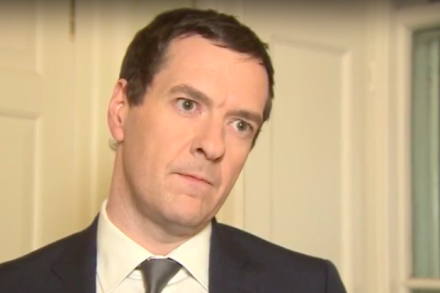
Tonight has not been a good one for George Osborne, with peers refusing to take his word that he was in ‘listening mode’ about tax credits. He didn’t look particularly happy about the matter when he gave a pooled clip to broadcasters a few minutes ago. He complained about an unelected group of Labour and Lib Dem lords voting down a matter passed by the House of Commons, and added: ‘I said I would listen and that’s precisely what I intend to do. I believe we can achieve the same goal of reforming tax credits, saving the money we need to save to secure our economy while at the same time helping in the transition.

Government defeated twice in the Lords on tax credits

From our UK edition

The government was defeated twice in the Lords tonight on tax credits, with the motions put down by Baroness Meacher and Baroness Hollis both passing. We are now expecting a response from George Osborne this evening on what the government will do. Considering that these tax credit changes are meant to bring in £4.4 billion in 2016/17, the government is in a proper pickle. Now, the motions in the Lords tonight were not ‘fatal’, they don’t compel the government to abandon the tax credit changes wholesale.

Peers offered tax credit deal: behave and Osborne will listen to you

From our UK edition

The House of Lords is unusually packed this afternoon for the debate on tax credit cuts. As I explained earlier, there are four motions to consider, and the government has decided to plump for one by the Bishop of Portsmouth as the least worst way of peers expressing their dissatisfaction with the situation. Tory Leader of the Lords Baroness Stowell has just told peers that she visited Number 11 this morning and that the Chancellor ‘would listen very carefully were the House to express its concern in the way that it is precedented for us to do’.

What to expect from today’s Lords showdown on tax credits

From our UK edition

There could be four troublesome votes on tax credits in the Lords this afternoon, each challenging not just the measures that George Osborne is keen to introduce, but also the way that the Lords functions. The most troublesome of all in terms of the constitutional implications is the amendment to the motion introducing the instrument from Baroness Manzoor. This is the Lib Dem ‘fatal’ motion and it changes the government motion ‘that the draft Regulations laid before the House on 7 September be approved’ to ‘that this House declines to approve the draft Regulations laid before the House on 7 September’.

Labour MPs try to ward off deselection threat

From our UK edition

As well as the rather big problem of how to get rid of a leader they think is unpalatable to the general voting public, Labour MPs also have to work out how to protect themselves from deselection. Simon Danczuk seems to be the only member keen to talk about the former, claiming today that he’s happy to be a ‘stalking horse’ if Labour performs badly in next May’s local, London and Holyrood elections. But without many colleagues backing him and the leadership contest rules and party membership remaining the same, Danczuk could find that his intervention drops like a dead donkey.

Arnie Graf: Corbynmania feels like student politics, not people trying to form a government

From our UK edition

Arnie Graf was, for a little while, the man who was supposed to rebuild the Labour party after its 2010 defeat. He was a famed community organiser from the US, brought over by Ed Miliband to have a go at revitalising is party. Graf didn’t last, but last night he spoke about his experiences with the Labour party, and what he thought of the current surge in membership under Jeremy Corbyn. This was his first brush with proper party politics, and while Graf had clearly enjoyed the work he’d done in building up the party in small local areas with community meetings, he said ‘I wouldn't come back to it where the party is now’. But surely the surge in membership was exactly what someone like him, keen to organise groups of people, was after?

MPs approve plan to introduce English votes for English laws

From our UK edition

MPs have just approved the change to the Commons regulations that will introduce English votes for English laws by 312 votes to 270. The proposals mean an additional stage of scrutiny in the Commons where a grand committee of either English MPs or English and Welsh MPs can consider and veto the proposals. It is not particularly clear how often this situation would arise, and therefore it really does remain to be seen whether this will practically make a great deal of difference to Parliament. The debate on the measure saw Scottish National Party MPs warning of the creation of two classes of MP, and of damage to the Union.

Osborne: Tories ‘signalled’ tax credit cuts during election campaign

From our UK edition

The general election was only a few months ago, but according to George Osborne, voters and his own MPs have forgotten what happened during that campaign. Indeed, it seems we have all already forgotten what was said, because apparently the campaign included details of cuts to working tax credits. Today the Chancellor defended these cuts when he appeared before the Treasury Select Committee. John Mann decided that the most effective way of attacking the cuts was by appealing to George Osborne’s own personal ambition.

Heidi Allen’s criticism of the Commons upsets fellow MPs

From our UK edition

There has been an interesting response in the Tory party to Heidi Allen’s speech in which she criticised the tax credit changes. Many MPs are themselves worried about the changes, and didn’t disagree with what she had to say. But what has really riled them is the way in which she appeared to dismiss the Chamber as largely pointless - and that she spoke against the cuts having supported them once and then went onto vote with the government again on the motion before the House last night (though to be fair, she explained that she wouldn't vote for the Opposition Day motion because she disagreed with its wording). One MP who knows a thing or two about rebelling says ‘I couldn’t care less about her dissing the government: I do that too.

PMQs: Corbyn fails to sustain the pressure on Cameron

From our UK edition

PMQs was a rather ill-tempered affair today. With tax credits and steel closures dominating proceedings, the two sets of benches went at each other with vigour. This was much more like an old-style PMQs than the other Corbyn sessions. The Labour leader began on the tax credits issue. His questions were beginning to rile Cameron, who — in a poor choice of words — said that he was ‘delighted’ that tax credit cuts had passed the Commons. But Corbyn then changed tack to ask about the steel industry. This eased the pressure on the Prime Minister and allowed him to regain the initiative. Corbyn finished his set of questions by demanding that Cameron cooperate with a UN investigation into how Britain treats the disabled.

Listen: Tory MP Heidi Allen’s devastating attack on tax credit cuts

From our UK edition

‘I’ve been trying flipping hard to avoid doing it,’ said Heidi Allen today as she started her maiden speech. She hadn’t seen the point of speeches in the Chamber, she explained, because most people in the Commons were already wedded to their side, and there wasn’t much point in her adding to those speeches as they changed no minds. But the reason she had decided to give it during the Opposition Day debate on tax credits ‘because today I can sit on my hands no longer’. She wanted to criticise the tax credit cuts. She wanted to intervene before it was ‘too late’ to stop the changes to tax credits, even though she didn’t want to support today’s motion from Labour because she disagreed with the party’s overall stance.

Lord Warner resigns the Labour whip

From our UK edition

Lord Warner has resigned the Labour whip in protest at the direction in which Jeremy Corbyn is taking the party, Patrick Wintour has revealed tonight. Warner was a minister of state at the Department of Health under Tony Blair. Now, Corbyn supporters will be quick to point out that Lord Warner is hardly a household name and that he was at the far Blairite end of the party. Both of these statements are true. But Warner’s departure should still worry Labour. All parties are coalitions and no leader should want to be losing former ministers from the party at any point in their leadership, let alone this early. One footnote to Warner’s defection is that it will deny Ukip of one of their favourite attack lines againt Labour.

Osborne defends tax credit cuts to his MPs as enemies circle

From our UK edition

Tory MPs had a briefing meeting today with George Osborne which a number of them used to press the Chancellor about the tax credit cuts. Peter Aldous raised concerns about the changes, which which lower the threshold for withdrawing tax credits from £6,420 to £3,850 and speed up the rate of withdrawal as pay rises, and was supported by colleagues. But though it was quite clear to the Chancellor that a large number of MPs from across the party - not just troublemakers - were seriously worried about the changes, he didn’t give anything away about any changes he could make.

Osborne’s enemies use tax credits row to undermine Chancellor’s leadership bid

From our UK edition

Few Conservative MPs are expected to rebel on tomorrow’s Opposition Day motion on tax credits, mainly because defying the whip to vote with Labour on a motion that is non-binding on the government is pretty pointless. But that doesn’t mean that the internal Tory revolt on the matter isn’t building. More and more big names are speaking out on the matter, and the Chancellor opponents now see the cut as an ideal way of undermining his bid to be leader. They want to make it about his personal judgement and awareness of the struggles that 'hardworking people' face.

David Cameron expected to give eurosceptics their free EU vote – after letting them put up a fight

From our UK edition

Will David Cameron allow senior ministers to take whatever side they wish in the EU referendum? There are reportedly six Cabinet Ministers pushing for a free vote on the matter, and today Liam Fox added his voice to the calls, telling the Daily Politics that even if the Prime Minister refused an official suspension of collective responsibility, ministers would find other ways of making their views heard. He said: ‘Ultimately the legitimacy of the result will depend on whether the voters think they have heard all the arguments openly and fairly and I think any attempt by any side to restrict people's voice in that debate will limit how people feel the legitimacy of the referendum has gone and I think that’s really important.

The strangest thing about the SNP conference is how normal it is

From our UK edition

The SNP conference has had to get bigger as the party has grown. Those who’ve been coming for years are a tad unsettled by quite how big and slick this event is. The exhibition hall is much bigger and is packed with lobbyists and big corporate stands, including a McDonald’s stall. The hall is bigger, the fringe events organised by lobbyists, too, and at first glance, it looks rather like a mainstream party conference: not one packed with eccentricities like the Ukip or Lib Dem conferences. That’s unsurprising given the SNP is a party of government and given it has a chunk of MPs in Westminster. But all of the party’s MPs, MSPs and activists who I’ve met over the past few days say the same thing: it still feels like a family.

Angus Robertson: Older voters took longer to persuade in the referendum than we predicted

From our UK edition

The SNP didn’t win the independence referendum, but is still talking about the lessons it can learn from what happened a year later. That’s because it wants to win the next one - and everyone at this conference believes that the next referendum only has question marks about when, not if, it will happen. SNP Westminster leader Angus Robertson suggested at a fringe organised by The Times this lunchtime that two major lessons he’d learned from last year’s result were that older voters would not be persuaded to vote ‘Yes’ as easily by younger generations than he had imagined they would be, and that the ‘Yes’ campaign failed to communicate effectively with those voters who came from the rest of the UK.