Transportation

How to save Britain’s train stations

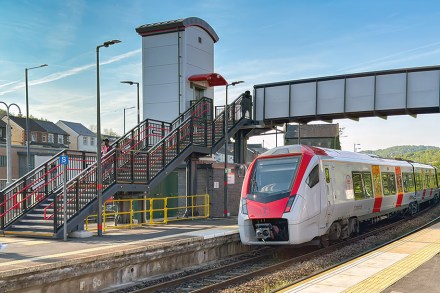
As a more philosophical alternative to “You don’t have to be mad to work here, but it helps,” you occasionally see workplace posters which read: “Price. Speed. Quality. Pick any two.” Unless you work on public infrastructure in the UK, of course, where the sign presumably ends: “Why not consult some lawyers and avoid all three?” In our despair over HS2 we should not forget that the UK has also seen remarkable transport successes In 1922, Trumpington, in South Cambridge, briefly had its own railway station. This was built to bring visitors to the Royal Agricultural Society’s show, which ran for five days, after which the station was demolished. Nearly a century later, it was sensibly decided that South Cambridge deserved a new, more permanent station.
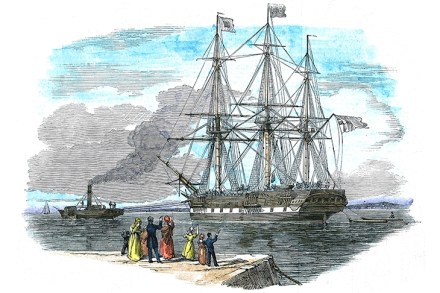
Transport to Australia was the saving of Carmen Callil’s family

From our UK edition

If 2020 has given us something to talk about other than Covid, it’s been history — and, more precisely, to whom history belongs and how we’ve chosen to define it. Well into the modern era, the philosopher Thomas Carlyle’s definition of the subject as ‘the biography of great men’, seems to endure. Most remember their school history lessons as a force-fed diet of monarchs’ names, battles and key dates, or as a narrative about palace-dwelling elites whose experiences seemed utterly removed from reality. It is undoubtedly why the subject in its most uncut Victorian form can seem so unpalatable to the general public. Conversely, it also goes a long way to explaining the popularity of the BBC hit series Who Do You Think You Are?