Tibet

Where is today’s equivalent of the Free Tibet movement?

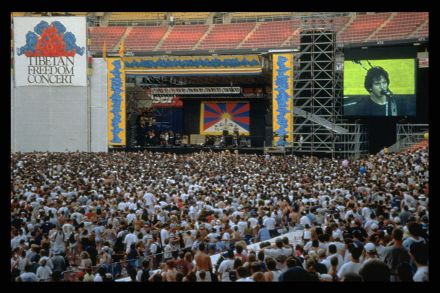
Remember “Free Tibet?” The Tibetan Freedom Concert, a series of music festivals that began in 1996, featured such impressive acts as the Beastie Boys, Red Hot Chili Peppers, Smashing Pumpkins, Rage Against the Machine, U2 and A Tribe Called Quest. An entire generation of young Americans — enchanted with “the other” of Tibetan Buddhism — had no qualms condemning what they believed to be an authoritarian Chinese regime. And why not? The People’s Republic of China, however much they fumed over international denunciations of the Tibetans, seemed weak, and incapable of silencing the Western entertainment industry’s indignation. These days, not so much. The NBA apologizes for players or coaches who criticize Beijing’s actions in Hong Kong.

free tibet

The player exposing the NBA’s hypocrisy on China

Remember when “Free Tibet” was a mainstay of the cool, hippie subculture that dominated the Nineties? Back when Hollywood cared about the fate of Buddhism’s Holy Land? Few will even remember that Disney — yes, the same Disney that recently filmed parts of the live-action Mulan in Xinjiang — produced a film, Kundun, about the early life of the Dalai Lama. China then retaliated by banning Disney films, causing the company to backtrack and attempt to bury the Scorsese-directed biopic. Disney's then-CEO even traveled to China to apologize. This series of events should sound familiar by now in the age of Western capitulation to China. Less commonplace these days is the sight of a celebrity sporting imagery of the Dalai Lama and any quaint talk of “freeing Tibet.

enes kanter

Ma Jian: China’s regime is ‘stronger than ever’

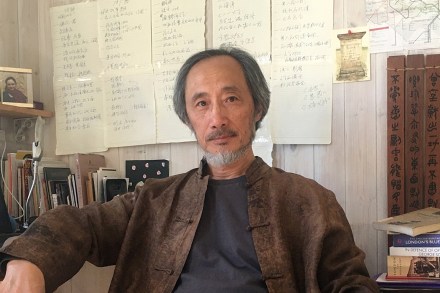
Should we blame China for the spread of coronavirus? And how should the West respond if the communist regime did cause the pandemic by lying about the virus as it emerged? I spoke about these questions to the dissident author Ma Jian, who has been described — by another dissident — as ‘one of the most important and courageous voices in Chinese literature’. His novels have been called — by a critic — ‘a powerful corrective to the self-interested Western view of China’. Ma believes that the economic miracle in China that has given us cheap goods in the West is also bribing the Chinese to forget their past and infantilizing them in their relationship with their rulers.

ma jian