Theresa may

Theresa May has revealed she is a reluctant member of the In campaign

From our UK edition

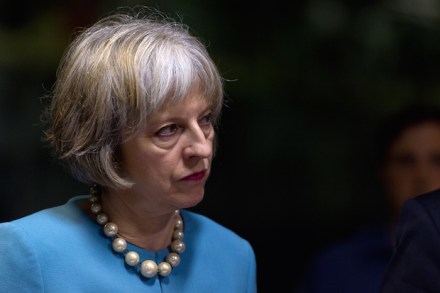
One of the worst kept secrets at Westminster is that Theresa May has a distinctly low opinion of Boris Johnson. As Home Secretary she has had more dealings with the Mayor of London than most Cabinet ministers, and there is clearly no love lost between the pair. When she decided to turn down his request to deploy water canons in London she didn’t do so via a discrete written ministerial statement, but by a statement in the Commons which Johnson himself had to sit through. So, there’s a certain irony that May has adopted the EU referendum position that many of Boris’s allies thought he would. She is for In, but with reservations and implicit criticisms of the renegotiation and the In campaign. The tone of May’s speech today was clear from the start.

Edinburgh University staff are now under surveillance, thanks to the Home Office

From our UK edition

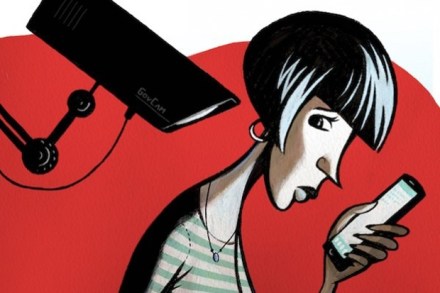
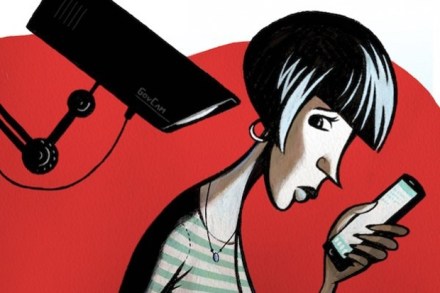
Another British university has been revealed as a mini GDR. And this time it’s not the fault of those speech-policing students’ unions. The University of Edinburgh – which recently hit headlines after its students association banned head-shaking – has been slammed for an Orwellian new practice designed to keep tabs on its staff. Under a new scheme, reported in Times Higher Education, university staff will be required to report their whereabouts ‘when officially at work, but not in their normal place of work’. The provisions, originally meant to apply only to staff from outside the EU, have been extended to all 13,000 employees, in an effort to ensure they are applied in a ‘fair and proportionate’ manner.

Tories’ ‘ludicrous’ phone bank email falls flat with voters

From our UK edition

As CCHQ try to gather momentum behind Zac Goldsmith's mayoral campaign, they are hoping that they can count on Tory supporters to do their bit. On top of leafleting, voters are being invited to take part in phone bank sessions at the Connect call centre. In the event that this alone would not be enough to entice would-be volunteers, they have a 'voter communications intern' sending out messages to increase attendance at the sessions. Alas word reaches Steerpike that the tone of the emails coming from 'voter communications' is going down like a lead balloon with a number of well-heeled supporters. A recent email from the intern about a recent caller connect session has been doing the rounds.

Murder most foul

From our UK edition

On 1 November 2006 Alexander Litvinenko, ex-KGB officer and by then a British citizen, met two of his former colleagues, Andrei Lugovoi and Dmitri Kovtun, in Mayfair and drank a cup of tea with them. What happened next must count as the century’s most gruesome crime so far. The tea taken by Litvinenko was laced with a dose of polonium-210 and he died in agony in UCH several days later. The radioactive substance was detected on a belated hunch of a brilliant forensic scientist. The suspects, Lugovoi and Kovtun, had already left Britain, and the Metropolitan Police found polonium deposits at nearly every hotel and shop that they had visited.

Boris, Miss World and Bublé at Lord Ashcroft’s 70th birthday party

From our UK edition

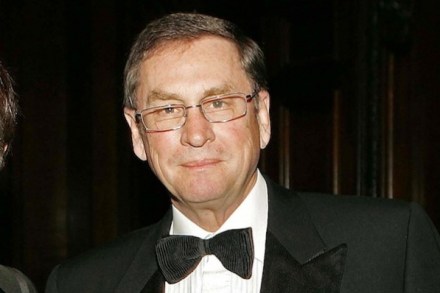
Lord Ashcroft is celebrating his 70th birthday at the Grosvenor House Hotel and Mr S is honoured to be one of the guests. William Hague, Theresa May, Boris Johnson, Iain Duncan Smith, Penny Mordant and even Tom Watson are amongst the guests at perhaps the most lavish birthday party anyone will host in London this year. His 50th and 60th had people talking about them years afterwards, so no one expects his 70th to disappoint. There are actors hired to be paper boys, brandishing fake newspapers with headlines about the noble lord suing anyone who suggests he has turned 70. Ashcroft doesn't seem to mind self-mockery either. Blofeld, the cat-stroking Bond villain that he is often compared to, has been invited.

Why is Theresa May so quiet in the EU referendum debate?

From our UK edition

Some ministers are in full-on campaign mode in the EU referendum, even as the normal business of Westminster continues. David Cameron continues to make visits around the country to make his case for Britain remaining in the European Union, while pro-Brexit ministers seem to be constantly giving speeches, interviews and penning angry op-eds about the paucity of the deal that the Prime Minister brought back from Europe. But one question that MPs have been asking increasingly over the past week or so is where on earth is Theresa May?

The prying game

From our UK edition

One of the marks of a good Home Secretary is a healthy wariness of those in authority who come begging for ever-greater powers. The former Labour Home Secretary Charles Clarke failed on that score. Just over a decade ago, the police persuaded him that they needed the freedom to lock up terror suspects for 90 days without trial. The rebels who defeated the Labour plan were right: ten years later no one has presented a case of a suspect who committed an act of terror because they had to be released before the 90 days were up. Theresa May, who has confronted the police unions with such admirable fortitude, is now showing worrying signs of falling into the same trap as Clarke.

Tory MPs to push ministers further on snooping bill

From our UK edition

Tory MPs believe they have sufficient numbers of would-be rebels to be able to amend the government’s Investigatory Powers Bill, which was published yesterday. Coffee House understands that there are already around 10 Tory MPs who would be happy to join forces with Labour to change key sections of the legislation on the authorisation of interception warrants, and on the level of detail on someone's internet history that is available to intelligence services and the police. David Davis, the Tory MP who tends to lead the charge on civil liberties matters, is concerned that a number of the points set out by the joint committee that scrutinised the Bill when it was in draft form have still not been addressed now that it has been published.

Members of Cameron’s Cabinet are now free to speak their mind on the EU. Here’s what they’re saying

From our UK edition

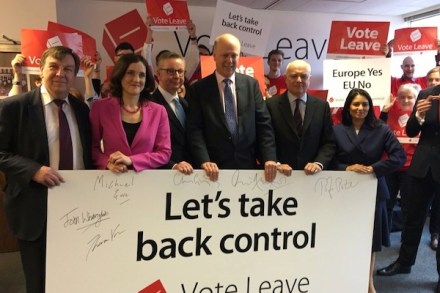
David Cameron's two hour Cabinet meeting is now over, and the campaign has now started. His Cabinet members are now free to back (or oppose) Brexit, here is a list of who's saying what. Out camp Michael Gove: The Justice Secretary is to back Out. Entering No.10 he informed reporters that he would be making a statement after Cabinet -- only to head straight from Downing Street to Vote Leave's HQ --where the Cabinet members who are backing Brexit have gathered. Gove has issued a statement -- via Vote Leave -- describing the decision as the 'most difficult' of his political life: 'I don’t want to take anything away from the Prime Minister’s dedicated efforts to get a better deal for Britain. He has negotiated with courage and tenacity.

What kind of Out campaign will David Cameron be faced with?

From our UK edition

If all goes according to David Cameron’s plan, then the EU referendum campaign will be under way very shortly. Cameron himself will be the main figure on the In side of the argument. The Home Secretary Theresa May will also throw herself into the campaign, as Rachel Sylvester wrote this week. Another face of the effort to keep Britain in the EU will be Alan Johnson, the former Home Secretary, who is running the Labour IN campaign. The Remain side of the argument will, as the above list shows, be able to call upon a formidable amount of political firepower. But what is not yet clear is what kind of Out campaign it will face.

Theresa May helps David Cameron with strong hint she’ll support ‘Remain’ campaign

From our UK edition

Theresa May’s decision to say that the draft settlement for Britain’s relationship with the EU forms ‘a basis for a deal’ has made David Cameron’s rather difficult day - which has involved the Prime Minister trying to insist that he has got the deal he was after, even though his demands on benefits in particular have been watered down - a little easier. It is the strongest indication yet that the Home Secretary will campaign to stay in the EU after all. This is the statement she released this evening: ‘EU free movement rules have been abused for too long and EU law has stopped us deporting dangerous foreign criminals.

Which way will Boris and Gove go on Europe?

From our UK edition

David Cameron might have announced this week that Cabinet Ministers will be allowed to campaign for Out come the EU referendum. But Downing Street is doing what it can to limit how many ministers take up this offer. At the moment, the consensus view around the Cabinet table is that four Cabinet Ministers are going to be for Out—Chris Grayling, Theresa Villiers, John Whittingdale and IDS—with another—Priti Patel—highly likely to. As I say in The Sun today, if Cameron can keep the number of Cabinet Outers down to four or five, Number 10 will be delighted. Cameron will be able to say that the vast majority of the Cabinet support staying In and he’ll have denied the Out campaign, the political leadership it needs.

Miriam González Durántez’s Theresa May interview misses the mark on Today

From our UK edition

This week the Today show is being edited by a selection of guests including Sir Bradley Wiggins, Lord Browne and the architect David Adjaye. The Welsh actor Michael Sheen kicked proceedings off on Monday when he managed to upset a number of flood victims as he dismissed calls to cut foreign aid in order to spend more on flood defences at home as a'false dichotomy'. Today it was the turn of Miriam González Durántez -- the high-flying lawyer who is married to Nick Clegg -- to take the helm. Durántez -- who had presenters in a spin last week over whether it was okay to refer to her as Nick Clegg's wife -- gave her edit a distinctly feminist focus as she looked at topics that touch on the Inspiring Women campaign she runs.

Another day, and another terror attack that is ‘nothing to do with Islam’

From our UK edition

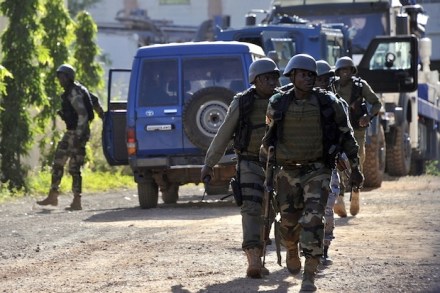
Another day and another group of men from an unknown religion storm into a hotel shouting 'Allahu Akbar'. This time in Mali. Once again they take hostages. And once again they free only those who can recite the Quran. Of course our Home Secretary Theresa May along with the President and Secretary of State in the U.S. will all say this has 'Nothing to do with Islam.' Or as Secretary Kerry said a couple of days back after the massacre in Paris. 'It has nothing to do with Islam; it has everything to do with criminality, with terror, with abuse, with psychopathism – I mean you name it'. Indeed, so long as you don't name it 'Islam'.

Theresa May has some unusual allies in her fight with George Osborne

From our UK edition

Cutting the police was always going to be difficult without a terror attack just before the spending review, but naturally the events in Paris have made it much more difficult for the Treasury to stand up to the Home office in a fight that was going to happen anyway. The leaked letter from one of the most senior police officers to Theresa May warning that cutting police numbers would ‘reduce very significantly’ the UK’s ability to respond to a terror attack is very helpful indeed to the Home Secretary. So helpful that she is unlikely to be the one calling for a leak inquiry.

Politicians are finally starting to admit a link between Islam and the extremists

From our UK edition

One step forward, one step back. Theresa May says in Parliament that the Paris attacks have ‘nothing to do with Islam’. And on the same day, later in the evening, her boss quite rightly says: ‘It is not good enough to say simply that Islam is a religion of peace and then to deny any connection between the religion of Islam and the extremists. Why? Because these extremists are self-identifying as Muslims.’ In saying this the Prime Minister was echoing the sensible and intelligent comments of one of his ministers – Sajid Javid – who rightly said in January after the last massacre in Paris: ‘The lazy answer would be to say that this has got nothing whatsoever to do with Islam or Muslims and that should be the end of that.

Theresa May: the Paris attacks ‘have nothing to do with Islam’

From our UK edition

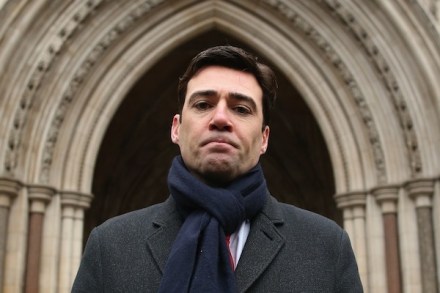
On a day when Jeremy Corbyn has been making clear his concerns about both the government’s use of drones and any shoot-to-kill policy for terrorists on British streets, Theresa May’s statement on the Paris attacks was striking for the level of cross-party agreement. Andy Burnham paid generous tribute to the Home Secretary and pledged Labour’s support for her anti-terror crackdown. The only discordant note came on the question of police funding. Burnham aligned himself with Bernard Hogan-Howe’s warning that cuts of more than 10 percent to police funding would make it harder to keep the streets safe. May set out how the police here would ‘intensify’ their approach to big events in an attempt to prevent a Paris-style attack here.

Burnham attacks May over police cuts at Home Office questions

From our UK edition

It was inevitable that Theresa May would face demands to rethink police cuts at Home Office questions this afternoon. And Labour did indeed make this its main line of attack in the Commons, with Andy Burnham urging the Home Secretary to reconsider reductions in police numbers that might be being considered in the Comprehensive Spending Review. Burnham has pursued this issue with some gusto since taking the Shadow Home Secretary brief, as it is the one matter where he can be reasonably tub thumping and Burnhamish. Today he was sombre, but it was clear that May was aware that the Paris attacks have made an extremely difficult set of cuts even more difficult for ministers to defend. Her answer was careful, arguing that it wasn't just about numbers but training too.

Politicians give cautious reactions to the Paris attacks

From our UK edition

Unlike political Twitter, which was full of armchair experts extolling their own surprisingly untapped talent while the Paris attacks were still taking place on Friday night, senior politicians have today been rather cautious in their responses to the massacre. Theresa May repeatedly told the Marr Show that there were ‘lessons to be learned’ from the attacks, but that it was ‘too early to tell’ what the fate of the Schengen agreement would be. She also said that there needed to be political consensus on British action against Isis in Syria.

Open letter to Narendra Modi: ask David Cameron to safeguard freedom of expression in Britain

From our UK edition

Dear Prime Minister Narendra Modi, Re: Urging Action by Indian government to Safeguard Freedom of Expression in Great Britain As a writer committed to protecting and defending freedom of expression around the world, I am extremely concerned about the growing intolerance towards critical voices who challenge orthodoxy in Britain. As your three-day state visit to the United Kingdom kicks off, I am urging you to engage with Prime Minister David Cameron both publicly and privately on this crucial issue. Please speak out on the current state of freedom of expression in Britain, urging Mr Cameron to stay true to the spirit of the democratic freedoms enshrined in British history, from the Magna Carta to the Levellers to John Stuart Mill.