Theresa may

What the papers say: Philip Hammond’s Autumn Statement

From our UK edition

The Sun has warm words for Philip Hammond ahead of his Autumn Statement announcement this afternoon. The Chancellor’s plans for a rise in the national living wage, ‘a U-turn on benefit cuts to low-paid workers and a crackdown on exorbitant letting agents’ fees’ are praised for ‘improving Sun readers’ lot’. The paper goes on to concede that Hammond’s room to manoeuvre is limited given the upcoming prospect of Brexit and the ballooning deficit. But the paper says this is still the time to ‘be bold’ - urging him to slash fuel tax and air passenger duty. But don’t be fooled, says the Guardian: Philip Hammond will take away more than he dishes out in return.

May and Hammond’s chequered history

From our UK edition

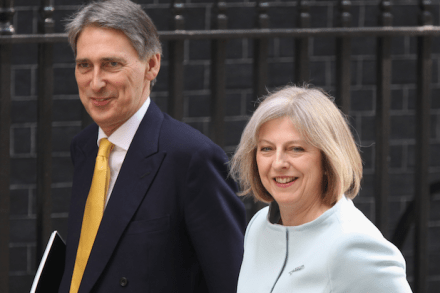
Ahead of tomorrow's Autumn Statement, speculation has been growing about what policies the government have up their sleeves. However, another thing to look out for is strained relations between the Chancellor and the Prime Minister. Speculation has been growing in Westminster for some time that Theresa May and Philip Hammond don't particularly see eye-to-eye. So, with that in mind, Mr S was intrigued to read an article by Rachel Sylvester in today's Times. In a piece titled 'our control-freak PM has met her match', Sylvester looks at relations between the pair before May became Prime Minister.

What the papers say: Theresa May’s ‘betrayal’ of workers

From our UK edition

Theresa May’s decision to row back on her pledge to put workers on company boards receives a mixed reception in the papers today. The Sun and the FT are among those to say it’s good that the PM has opted to change her mind. But the Guardian isn’t happy: calling the PM’s u-turn a ‘betrayal’. Here’s what the newspaper editorials are saying this morning: The Sun heaps praise on Theresa May for her change in thinking about making companies have representatives of workers on their boards - a move it describes as ‘hasty and aggressive’. It says the PM is right to back down from an idea that would have been a ‘godsend only to the unions’.

Theresa May rows back on pledge to put workers on boards

From our UK edition

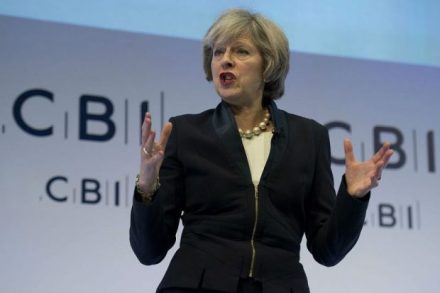
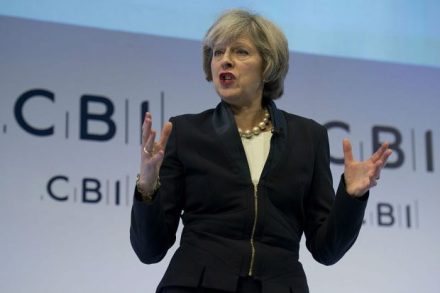
Today Theresa May used her speech at the CBI annual conference to both reassure and inspire business leaders about Brexit Britain. In doing this, she also managed to upset a number of Brexiteers by suggesting -- in the Q&A -- that the government could pursue a ‘transitional deal’ with the EU as ‘people don't want a cliff edge’ when we leave. However, it was her main speech that provided the most newsworthy line. May appeared to drop her previous pledge to put workers on company boards.

Theresa May’s awkward reunion at CBI event

From our UK edition

Today the Confederation of British Industry hosts its annual conference. Last year, David Cameron gave a speech to attendees and this year it's Theresa May's turn. Alas signs so far suggest it won't be all smooth-sailing for the Prime Minister. While CBI president Paul Drechsler is expected to use his speech to urge May to ensure that Britain retains its 'privileged' access to the EU single market and keep its borders open to European talent, the sponsor -- too -- could prove a strain on May. Step forward Deloitte. Yes, the company behind last week's so-called 'leaked' Brexit memo are a corporate partner of the event.

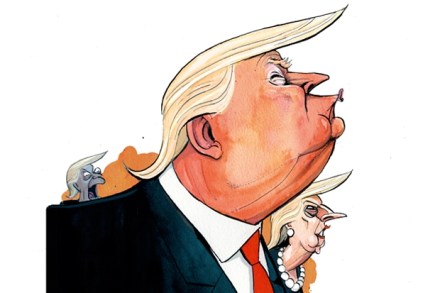
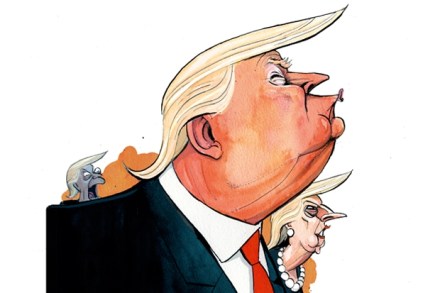
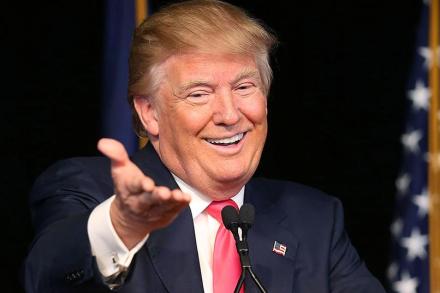
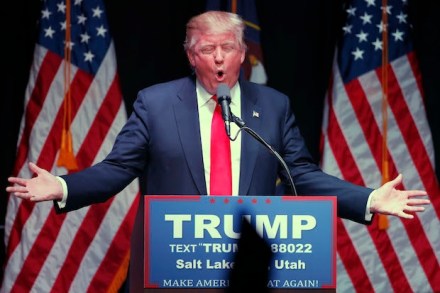
This is the era of Donald Trump – and of Theresa May

From our UK edition

Bob Dylan called it pretty much right. When he sang 'your old road is rapidly ageing' he was calling time on an old order that went on to die in 1968. The events of that year ushered in a liberal order, revolutionising social norms, which lasted until Thatcher and Reagan in 1980. The conservative era then returned, sorting out the mess left by the previous era and ending the Cold War: this was the time of battle-hardened leaders, with a battle to fight (and win). Then came the Blair and Bill Clinton era, modified slightly by David Cameron – defined by a ‘third way’ unwillingness to move too far to the left or right. And now, once again, the times they are a-changing.

Jail break

From our UK edition

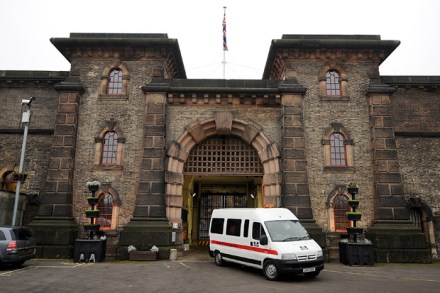
One of the stated objectives of this week’s brief strike by prison officers was to publicise the dire conditions in many of our jails. In this regard, as in many others, it was a failure. The strike triggered discussions as to whether it was legal (it wasn’t, the High Court ruled) and questions about how exactly it helped prison safety to abandon the wings to the inmates for the day. But there is all too little awareness of or concern about the increasingly desperate living conditions of those sentenced to spend time at Her Majesty’s pleasure. Order seems to be breaking down.

The new normal

From our UK edition

-What was your favourite response from the liberals to Donald Trump’s victory in the US presidential election? Actress Emma Watson handing out copies of a Maya Angelou book to bewildered commuters in New York? Cher announcing that she wasn’t simply leaving the USA, ‘but Planet Earth too’ — a move some of us assumed she had made at least 40 years ago? The hysterical protestors who set fire to their own shoes because they thought the said shoes were pro-Trump? The hyperbolic hatred spewed out towards those who voted for the Donald, or Matthew Parris suggesting that maybe this democracy caper has gone too far, or the teachers telling tearful children that we’re all going to die?

Jeremy Corbyn flops again at PMQs

From our UK edition

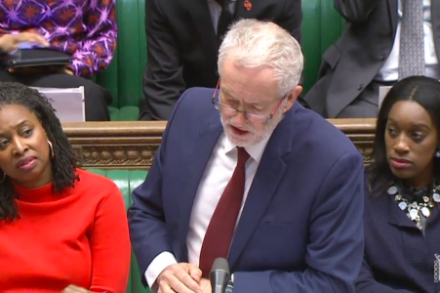
People say Corbyn’s getting better. I wonder. He seemed out of touch today. Soaring employment, falling inflation, the booming stock-market, the Trump ascendancy, the implosion of Isis, the Aleppo siege? He ignored the lot. He brought up the exiled Chagos Islanders whose right to return has been denied for decades. Having mentioned them, and enjoyed a flush of reflected sanctity, he dropped the issue entirely. Poor old Chagos. Its scattered natives are used to being abandoned by false-friend statesmen but this seemed particularly cynical. Corbyn’s main brainwave today was to deploy all his rhetorical skill, all his mastery of the political arts, to lure Mrs May into accidentally disclosing her red-lines on Brexit. Every one of them. In full. But inadvertently.

PMQs: Jeremy Corbyn’s failings give Theresa May a way out

From our UK edition

At first it looked like Jeremy Corbyn was going to go on the rights of Chagos Islanders at PMQs, but then he shifted tack to Brexit. Corbyn’s questions were quite tightly honed -- using Boris Johnson’s comments in a Czech newspaper interview about Britain probably leaving the customs union to needle May. But Corbyn’s own failings give May a way out each time, she just attacks him for not being up to the job. At the end of their exchanges today, you were left with the sense that a better opposition leader could have caused May real problems today, but Corbyn simply isn’t up to it.

Watch: Theresa May on the SNP’s hypocrisy over Brexit

From our UK edition

Oh dear. Although the SNP like to pride themselves on being the 'real opposition', they tend to struggle when on the receiving end of criticism. And so it was the case today at PMQs as Theresa May responded to a question from Angus Robertson over the government's Brexit plans: AR: Will the Prime Minister confirm today to the country whether the UK is likely to leave the EU customs union post-Brexit, yes or no? TM: The right honourable gentleman doesn't seem to understand that the customs union is not just a binary decision. But let's put that aside, let's look at what we need to do which is to get the best deal for access to for trading with and for operating within the single market.

What the papers say: Britain’s ‘dangerous’ prisons and Brexit ‘indecision’

From our UK edition

The decision by prison staff to walkout yesterday before returning to their posts following a court ruling leads many of the newspaper editorials today. There is some sympathy for the difficult job being done by jail staff - but the papers say that officers leaving their posts isn’t the answer. Elsewhere, yesterday’s Brexit memo which suggested the government’s plan for leaving the EU is in a shambles is also a talking point in the newspapers. Here’s what the papers are saying today: The Sun says the action taken yesterday by prison staff to walkout was ‘shameful’.

Mark Carney takes issue with Theresa May at Treasury select committee

From our UK edition

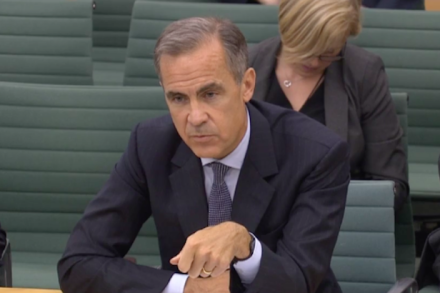
With Mark Carney stepping down from his role as governor of the Bank of England in 2019, it's been widely reported that relations between Carney and Theresa May are strained. As James Forsyth writes in The Spectator, the Prime Minister managed to rub Carney up the wrong way with her Conservative conference speech when she appeared to criticise central banks and citizens of the world. At today's Treasury select committee, Carney denied that May's comments played a role in his decision to extend his contract by just 12 months. He did, however, appear to take a swipe at May over her choice words.

What the papers say: May’s ‘flawed’ plan and the ‘short-sighted’ rejection of Farage

From our UK edition

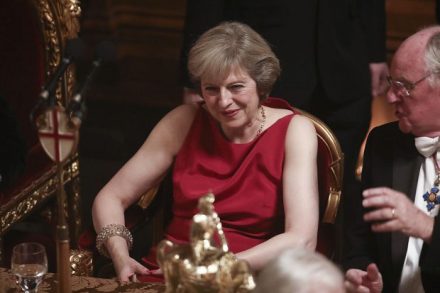
Theresa May used her first big speech on foreign policy last night to spell out the need for globalisation to change. She adopted a softer approach than she did in her conference speech, when she went on the warpath against the liberal elite, says James Forsyth. Yet she remained clear: this year's political upheaval shows something needs to give. It's hard to fault that thinking, but while many would agree with the Prime Minister, does May have the answers for what this change should look like? No, says the Guardian, which slates Theresa May for having no answers to the key questions left following Donald Trump’s election victory. The paper says the Prime Minister gave an ‘interesting’ speech at last night’s Lord Mayor’s Banquet.

Theresa May doubles down on Farage’s diplomatic offer

From our UK edition

Nigel Farage is once again a thorn in the Prime Minister's side. After Downing Street dismissed the interim Ukip leader's offer to help May forge a relationship with Donald Trump, they were left red-faced over the weekend when Farage became the first British politician to meet the president-elect since his victory. Now the Prime Minister is under pressure to rethink her approach to both Farage and Trump. Yet rather than perform a u-turn, she has issued a fresh rejection of Farage's offer of help.

Theresa May’s bad night at the Standard theatre awards

From our UK edition

It's probably for the best that Theresa May wasn't present at last night's Evening Standard theatre awards. Mr S understands that the Prime Minister found herself in the firing line twice, with both Patrick Stewart and Lord Lloyd Webber using their stage time to take aim. First Stewart -- the Star Trek actor -- attacked May over her grammar school proposals. Then Andrew Lloyd Webber -- the Tory peer who flew from New York to vote against the tax credits Lords rebellion  -- criticised the PM over cuts to art funding. At least May can take heart that luvvies aren't known for being on side.

Theresa May now has some Trumps in her Brexit negotiating hand

From our UK edition

Britain’s position heading into its Brexit talks is far stronger than it was a week ago, I argue in The Sun today. Why, because Donald Trump has changed the dynamics of global politics. Brexit’s critics used to claim that this country would be isolated after it left the EU. But it is hard to make that case when the president-elect of the most powerful country in the world is in favour of it. Indeed, the next US President is more enthusiastic about it than the British Prime Minister. He was for it before June 23rd. Theresa May now has a chance to create a strong relationship with Trump before other European leaders even start trying.

Donald Trump affirms America’s ‘special relationship’ with Britain

From our UK edition

After a few anxious hours this morning when it emerged that Donald Trump had found time to telephone nine world leaders -- including Taoiseach Enda Kenny  -- but not Theresa May, the Prime Minister has now received the call. In the course of the conversation, the pair agreed the US-UK relationship was 'very important and very special', and that building on this was a priority for both. The Prime Minister also tried to lay the groundwork for a US trade deal as she highlighted her wish to 'strengthen bilateral trade and investment with the US as we leave the EU'.

The English right’s Trump temptation

From our UK edition

Labour’s election then re-election of Jeremy Corbyn was the equivalent of a suicidal man who, when the noose snaps and gives him a second chance, decides to throw himself off a cliff instead. The Liberal Democrats are too small to get a hearing. The Scottish nationalists will speak only for Scotland. The only arguments that matter in England now are the arguments within the right. But what is the right today? What does it mean to say you are right-wing? You only have to look at the triumph of Donald Trump to guess the answer. He not only beat Hillary Clinton but the old Republican party, which looks like it is close to disappearing now. The same battles are being fought and victories won across Europe.

Theresa May congratulates Donald Trump on his victory

From our UK edition

The Prime Minister has issued a statement congratulating Donald Trump on his election as the next President of the United States. In this, Theresa May says she looks forward to working with Trump to 'ensure the security and prosperity of our nations in the years ahead'. 'Britain and the United States have an enduring and special relationship based on the values of freedom, democracy and enterprise,' says May. 'We are, and will remain, strong and close partners on trade, security and defence.' While it is customary for the Prime Minister to congratulate a new president, her comments are a marked change to the language David Cameron used towards Trump when he was in 10 Downing Street.