The who

The lost world of the pinball machine

‘Pinball games, with their flashing lights and unforgettable names, are the one thread that runs together my otherwise fragmentary life.’ So writes Andreas Bernard in the last sentence of this touchingly Proustian memoir. He hymns a life spent flipping small steel balls up and down machines which, despite their clamorous lights, bleeps and honks, amounted to glorified beer coasters and ashtrays, usually in dank corners next to the toilets of some German bar, Italian resort arcade or glum rest stop on California’s Pacific highway. The subtitle is misleading: the book is Bernard’s biography, not the pinball machine’s. He begins his tale as a pre-pubescent, sneaking into Munich bars with his chum Stefan to play these captivating games.

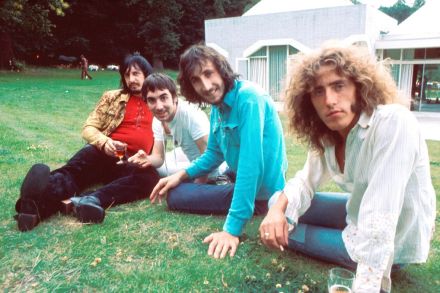
The Who’s farewell tour marks the end of an era

From our US edition

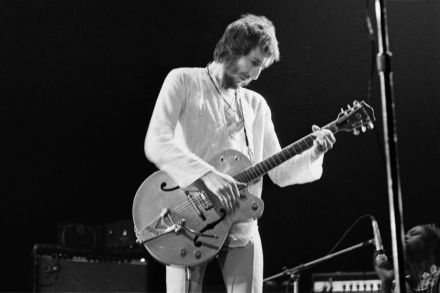
The Who are our last great rock ’n’ roll band. More than 60 years after four working-class boys from west London formed a humble R&B combo, the two surviving members look to be hanging up their spurs for good. The Who have named their latest string of engagements – a farewell tour which concluded early this month – “The Song Is Over.” When I caught them in Long Island, rumors of geriatric struggles were soundly put to rest: Pete Townshend, 80, and Roger Daltrey, 81, were in cracking good form. Most concertgoers that night were male, working-class and in their late fifties or early sixties.

The Who

The death of the live album

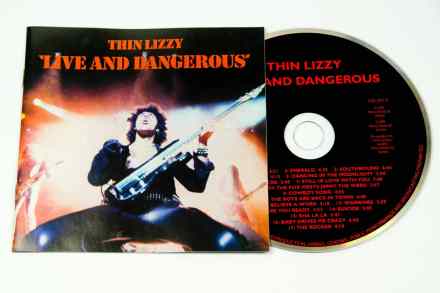
Next week The The release The Comeback Special, a 24-track live album documenting the band’s concert at the Royal Albert Hall in June 2018. Meanwhile, Steely Dan’s last man standing, Donald Fagen, has just released two live albums recorded in 2019. Their musical qualities notwithstanding, these releases feel like relics from a lost world. Much like the fondue set, the live album is much reduced from its 1970s and 1980s heyday, when a pretty blonde sideman-turned-solo artist called Peter Frampton could somehow shift eight million copies of the anodyne Frampton Comes Alive! The stand-alone contemporary live album is now an endangered species; MTV’s Unplugged series in the 1990s offered a final down-home twist on the format.

Age is catching up with our much-beloved musicians

From our US edition

On the Who’s 1965 single “My Generation,” the band’s twenty-one-year-old lead singer Roger Daltrey half-sang, half-sneered, “Hope I die before I get old.” The song, written by the then-twenty-year-old Peter Townshend, has remained a classic for nearly sixty years, boasting both a fantastic tune and unforgettable lyrics. Yet even as the Who continue to tour the world — often in the company of that invaluable accessory for any self-regarding rock band, a full orchestra — it is now with self-aware amusement that the seventy-nine-year-old Daltrey and seventy-eight-year-old Townshend perform it.

musicians

Six degrees of Batavia

From our US edition

I never could figure out that Six Degrees of Kevin Bacon game. Am I one degree or two degrees removed from someone a friend or acquaintance of mine knows? Whatever, as kids a generation ago used to say. Through political eminences I have known, I suppose I’m semi-adjacent to various world rulers of yesteryear, but the challenge is to see how far back in time one can go. This is my best shot. When our daughter was one year old, she sat on the lap of my friend Henry W. Clune, the Rochester novelist who was then 105 years of age. Henry’s father grew up in a neighborhood whose luminaries included Frederick Douglass, the great abolitionist orator who called the Flower City home from 1847 to 1872.

degrees

Why I’m worried about the teenage cancer generation

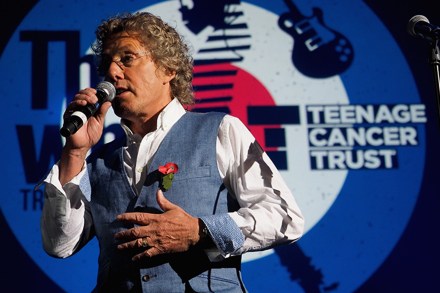
As I sit here writing this, it’s just over one year ago since the first lockdown was imposed, without which I would have been touring with The Who. That included our annual concert for the Teenage Cancer Trust at the Royal Albert Hall. Now, one of the UK's premier calendar events has been cancelled for the second year running. It leaves a gaping £3 million deficit in the charity’s funding. Likewise, Teen Cancer America, the charity I founded with Pete Townshend in the United States, has lost $4 million in revenues we would have raised if our tours had not been cancelled. It’s heart-breaking to see so many charities in trouble when they are needed the most.