The pogues

The new Pogues: The Mary Wallopers, at O2 Forum Kentish Town, reviewed

I was listening the other week to a solo album by an ageing rock guitarist, once terrifically famous. It was really very good, but I couldn’t bring myself to care about it because it clearly didn’t matter: this man’s career is static and it is likely to remain so. The album will make no impact on the wider world and, despite liking it, I felt no need to listen again. Had it been the debut by a band of 21-year-olds, on the other hand, I would have been all over it. Rock and pop musicians are most interesting in the transitions; that is, on the way up or on the way down. The journey up always – but always – accounts for the most interesting bit of any musician’s memoir, because they’re remembering when life was exciting.

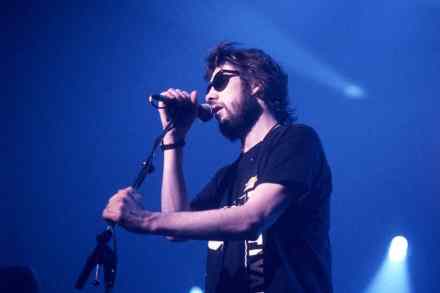
How Shane MacGowan became Ireland’s prodigal son

I once stood on a Dublin street with Shane MacGowan and watched little old ladies who can’t ever have been Pogues fans blessing him as they passed by: ‘God love you, Shane!’ On his 60th birthday, in 2017, Michael D. Higgins, the President, presented him with a lifetime achievement award, while Nick Cave, Bono, Johnny Depp, Sinead O’Connor and Gerry Adams applauded. He is, if not Ireland’s national treasure, then certainly its prodigal son. Yet he was not even born in Ireland. He likes to make out that he grew up as a barefoot urchin on his grandparents’ farm, The Commons, in Tipperary, but in fact he was raised in Tunbridge Wells, in a big, detached house. His parents, Maurice and Therese, were Irish, but they moved to England before he was born.