The Balkans

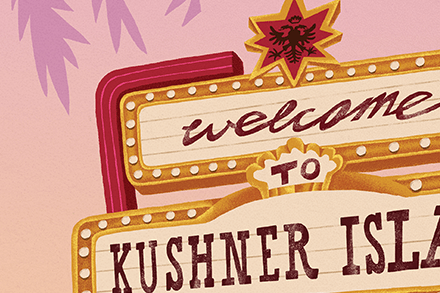
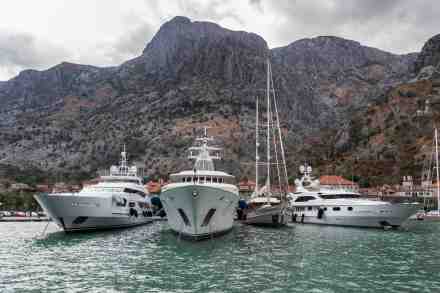
Welcome to Tivat, the ‘Monaco of the Balkans’

“Quiet luxury” is all the rage these days, the social media algorithms tell me. On Instagram and TikTok, Americans inform their followers that clothing with no visible branding is a true status signifier, before extolling the virtues of Barbour jackets and Loro Piana shoes. Aspirational people shouldn’t drive flashy new cars, they argue; instead, they should drive a 30-year-old Range Rover – as if the inevitable engine rebuild wouldn’t cost more than most people would spend on a car. When decorating, millennial gray is wrong, garish and uninteresting; everything must be sage green with brass accents. There is nothing more quiet and luxurious than the B&Q color-matching desk.

tivat

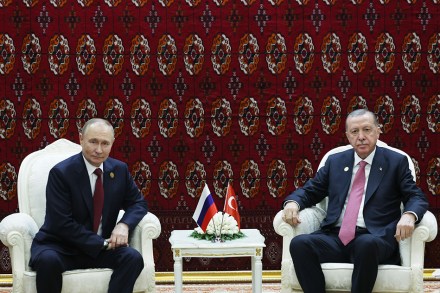
Putin and Erdogan are playing with fire in the Balkans and the Caucasus

There are 34 disputed territories in and around Europe. In some cases, two or more nations claim the same patch of land. In others, separatist governments demand their own sovereignty. Many of these disputes have a quaint, eccentric interest: Italy and France struggling over the summit of Mont Blanc; or Britain, Ireland, Denmark and Iceland arguing over the barren islet of Rockall. But a few of them – such as Cyprus, Kosovo, Nagorno-Karabakh and Transnistria – provide more urgent political challenges. As Hannah Lucinda Smith argues, these places are Petri dishes – experiments in populism, nationalism and covert conflict that are being repeated across the continent. Her book Hinterlands explores several of these blind spots in most people’s mental map of Europe.

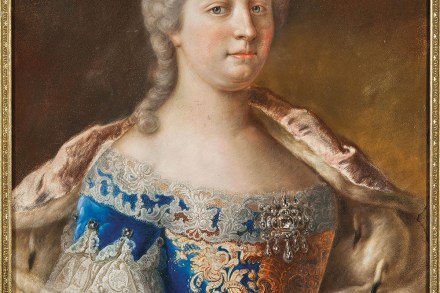
The enlightened rule of the Empress Maria Theresa

The role of personality and charm in running a state is one theme of Richard Bassett’s superb book, the first English biography of the Empress Maria Theresa since Edward Crankshaw’s in 1969. The different parts of the Habsburg monarchy – Austria, Tyrol, Bohemia, Hungary, Croatia and Milan – had little in common except dynasty, geography and Catholicism. Yet, partly owing to Maria Theresa’s force of character, this complex tapestry of nationalities remained a great power After she came to the throne in 1740, she felt ‘forsaken by the whole world’. Encouraged by France, Austria’s neighbours Prussia, Saxony and Bavaria invaded the monarchy in order to divide it between them.