The Arctic Circle

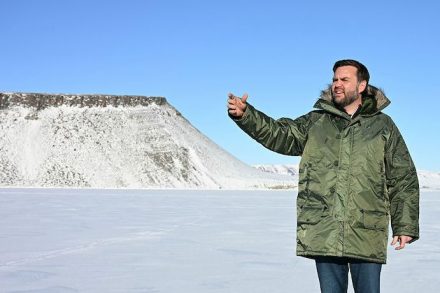
Why would anyone want to rule Greenland?

It was the Viking, Erik the Red who, in AD 986, first saw Greenland’s potential. He wanted to colonize his newly-discovered island, and in a blatant piece of tenth-century spin-doctoring hit on a wizard wheeze to encourage other Norse people to come to this bleak, icy and remote corner of the unknown world: "In the summer, Erik left to settle in the country he had found, which he called Greenland, as he said people would be attracted there if it had a favorable name." More than a thousand years later, President Donald Trump is proposing something similar. "It’s a large real estate deal. Owning Greenland is vital for US security... and economic security... It’s an absolute necessity and I cannot assure you that we would not use military or economic coercion.
greenland

A tale of impossible love: The End of Drum Time, by Hanna Pylväinen, reviewed

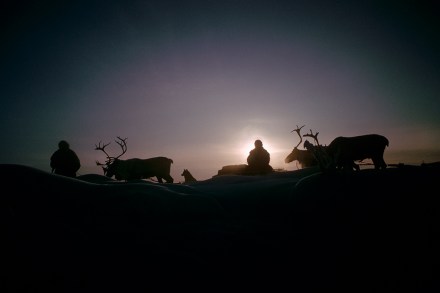
In the arctic borderlands in the 1800s Finns and Swedes have come to live among the Sami. Missionaries and traders, they have brought alcohol and Protestant teaching.  ‘Mad Lasse’ is what the locals call the preacher, and mostly they keep their distance, staying with their reindeer out on the tundra, following their ancient customs.  Some, though, have been awakened.  Hanna Pylvainen’s novel opens with Biettar, a Sami widower, brought to church by an earthquake – by a voice he heard among the tremors. In his fur trousers, stinking of smoke and reindeer, he falls to his knees before Mad Lasse, declaring himself with God. So the preacher exerts his pull, but then so does the trading post next to the church.