Tech bros

Ian McCulloch’s still got it

No one ever joined a rock band because they didn’t want to be recognised. Being adored matters to stars, sometimes too much, but that only makes those who love them care even more. That could be heard in the cries of ‘We love you, Mac!’ at a glorious night in Regent’s Park. Echo & The Bunnymen’s singer Ian McCulloch – who was once famous for pronouncing on how much better his band was than any other – has not had an easy time of it in recent years. Unlike his peers in the Cure and U2, he’s not playing to 50,000 people at a time, though his band were regarded as every bit their equals – perhaps their betters – in the early 1980s.

The new power players running the world

At the opening of The Hour of the Predator, Giuliano da Empoli describes Spain’s conquest of the Aztec empire, its doomed ruler Moctezuma II’s response (ineffective vacillation, delaying any course of action), its consequences and its relevance to politics today. It is a striking introduction to a brief, bracing and profoundly alarming book. The author argues that an alliance of tech bros and authoritarian rulers – whom he calls modern-day Borgias – are sweeping away the rules-based international order. He sees our elected leaders as comparable to the procrastinating Aztec emperor, appeasing and hesitating as the opportunity for action passes into history. Da Empoli has a peculiar vantage point.

British journalist talks America’s ‘authoritarian culture’ with Jon Stewart

From our US edition

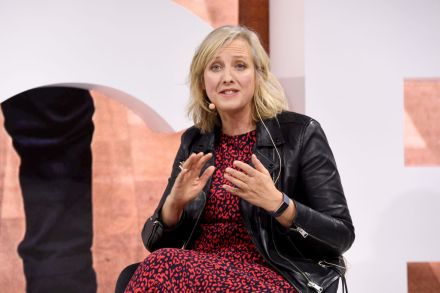
Cockburn is not a regular viewer of The Daily Show. It is no longer as epoch-defining as it was in Jon Stewart’s heyday. But he did take an interest in Stewart’s segment last night with Carole Cadwalladr. For the uninitiated, Cadwalladr is a former Guardian and Observer columnist from the UK most prominent for her reporting on Cambridge Analytica. CA is the political consulting firm known for its contentious use of Facebook data in the 2016 US election and Brexit referendum. After Brexit came what Spiked’s Brendan O’Neill dubbed “the middle-class meltdown to end all middle-class meltdowns.” “And at the heart of it all,” wrote O’Neill, “was a writer for the Observer called Carole Cadwalladr.