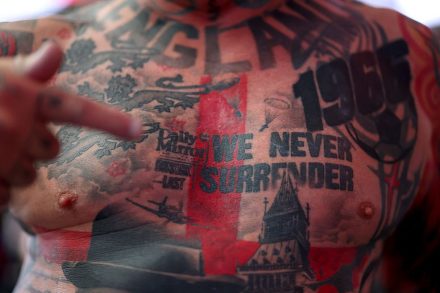
Britain is suffering from a tattoo epidemic
Long before he entered Downing Street, James Callaghan was in the Navy. Like many sailors, he had his arms tattooed. Decades later he regretted the decision, becoming so ashamed of his appearance that he refused to wear short-sleeved shirts. It’s a lesson from which much of modern Britain could learn. I can’t decide which is more unpleasant: a tattoo on an attractive person or one on a minger Sometimes I think I’m the last person left in the world without any tattoos. Then I remember Cristiano Ronaldo, who doesn’t have any because he regularly donates blood. You have to wait a certain amount of time before donating (in the UK it’s four months). This would exclude the huge numbers of people who seem to be on a never-ending programme of self-coverage.