Syracuse

Remembering Dido – and the fate of Carthage

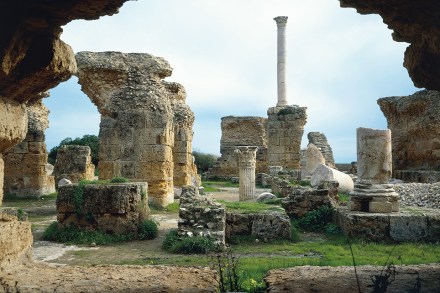
It is a curious fact that between the foundation of Tunis by the Arabs in the 7th century and the foundation of Tel Aviv in the early 20th century no major cities were created on the shores of the Mediterranean. Even those cities were not quite new: Tunis, as Katherine Pangonis points out, was partly constructed out of rubble from Roman Carthage, situated nearby; and Tel Aviv originated as a Jewish suburb of Jaffa. Nor were ancient Mediterranean cities as sizeable as we imagine. Only Rome, Alexandria and Constantinople can be called megalopolises, and Constantinople lies much closer to the Black Sea than the Mediterranean.
Keeping Syracuse time

From our US edition

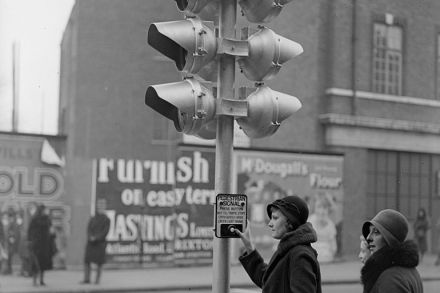
I have my flaws, but I do know how to treat a lady. Five years ago, for our thirtieth anniversary, I took my wife to a nineteenth-century mental hospital. (We didn’t check in.) This year, to celebrate her birthday, I showed her a traffic light — and as a lagniappe, we gandered at a clock, too. It’s not quite as quotidian as it sounds. Well, maybe it is, but now that I’ve got you on the line, let me tell you why we drove two hours to Syracuse, the Salt City, to inspect a pair of everyday sights. First, the light. In 1925 or thereabouts, the city of Syracuse installed a traffic signal with green on top and red on bottom in the Irish neighborhood of Tipperary Hill. This was done at the behest of an alderman surnamed Ryan. A proud Paddy politico, apparently.

Syracuse