Student loans

Letters: the little-known role of liquorice in parliamentary history

Pennies pinching Sir: I agree with much of this week’s editorial, except for two points (‘Nunc dimittis’, 25 April). As a formerly Positively Vetted civil servant, I cannot see what point there is in vetting an applicant for a job if the outcome of the vetting (as opposed of course to the private details) is not made known to the appointer. Who was responsible for this not happening in the current case still remains obscure. The second point I take issue with is your pressing for the end of the triple lock for pensions. I wish you would suggest how pensioners who have the ‘full’ state pension, and just enough more to put them over the threshold for Pension Credit, are expected to live?


Tim Shipman, Ben Clerkin, Maxwell Marlow & Hermione Eyre

24 min listen

On this week’s Spectator Out Loud: looking back to 1973, Tim Shipman wonders how bad the energy crisis could get; Ben Clerkin interviews Steve Hilton, the former Cameron aide running to be California’s next governor; Maxwell Marlow explains how to solve the student debt crisis; and finally, ‘disorientatingly enjoyable’ is the verdict of Hermione Eyre as she reviews David Hockney at the Serpentine. Produced and presented by Patrick Gibbons.

Tim Shipman, Ben Clerkin, Maxwell Marlow & Hermione Eyre

How to solve the student debt crisis

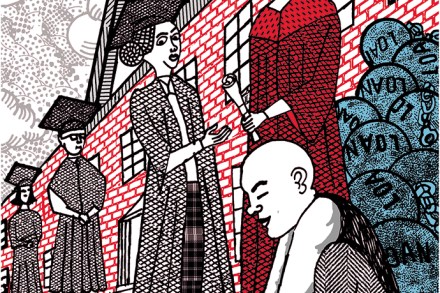
England’s student debt is staggering. It comes to £270 billion – that’s larger than the budget for the NHS and two and a half times larger than the education budget. This arsenal of taxpayer-backed cash has seen the creation of 34 new universities just to feed an ever-hungrier mass of undergraduates. It’s forecast that by the late 2040s, this loan balance will reach £500 billion. These loans are not standard financial arrangements. They don’t affect the debtors’ credit ratings, only their mental health when they check their bank balance. Crucially, most loans are also wiped after 30 years from graduation.

The hidden truth about our failing universities

Is it worth going to university? Since 1999, when Tony Blair declared higher education the answer to all society’s problems, it has been a question Britain prefers not to ask. Every September, hundreds of thousands of school leavers pack their bags, wait for their maintenance loan to arrive and head off to their chosen city to drink, go clubbing and occasionally hand in an essay. Does this well-trodden path leave young people better off? It’s almost impossible to find out, not because the information isn’t available but because the government won’t let us see it. The Department for Education knows very well what graduates can expect when they start looking for work.

Is it still worth going to university?

When self-styled ‘Money Saving Expert’ Martin Lewis gate-crashed Kemi Badenoch’s Good Morning Britain interview to reprimand the Conservative leader over her plans to cut the interest on student loans, he failed to mention that she was addressing a crisis for which he carries a little of the blame. For years, Lewis has encouraged prospective students not to be put off by tuition fees, arguing that the loans should be thought of as a ‘graduate contribution system’ rather than traditional debt. This was an investment in their futures, easily paid off through the higher earnings a degree would confer. But the system has become a tax on aspiration.