Simon Weston

Disability is becoming the new normal

From our UK edition

Before I became confined to a wheelchair two years ago after an operation for a spinal abscess, I’d never read a book about disability. More remarkably, considering the tiny amount of time it would have taken, I’d never read a newspaper article about it either. The only media stories about disabled people I’d bothered with concerned famous sufferers, such as Christopher Reeve and Robert Wyatt. I’d also followed with voyeuristic revulsion the 2021 story of Giles Coren celebrating the death of the young, working-class, disabled journalist Dawn Foster after she’d had the temerity to cross him. So there you go. My concern with disability was confined to where it overlapped with showbiz and media.
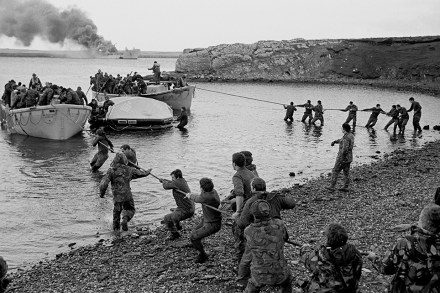
Could the bombing of Sir Galahad have been prevented?

From our UK edition

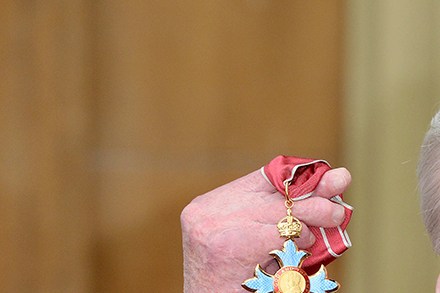
The Welsh Guardsman Simon Weston is the most recognisable face of the Falklands war. He was terribly burnt when the Guards were bombed while waiting on the RFA Sir Galahad on 8 June 1982. He later became a national figure, talking openly about the difficulties of recovery, and working for burns victims and injured veterans. His portrait by Nicky Philipps hangs in the National Portrait Gallery. It was an honour the Guardsman would have preferred to avoid. The story of the Welsh Guards in the Falklands war is that of the bombing. It was the single biggest loss of British life in one episode in the Falklands, probably in the post-1945 period. Forty-nine men were killed, 38 of them Guardsmen. Crispin Black was a second lieutenant with the Guards on the Sir Galahad that day.