Shipping

The Baltimore bridge disaster puts the worst of the internet on show

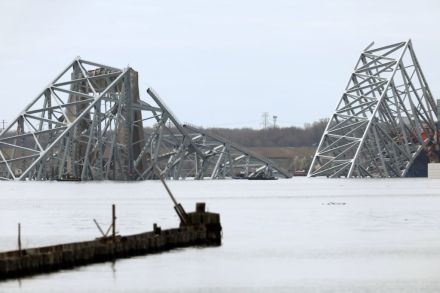
A 948-foot cargo ship hit the Francis Scott Key Bridge in Baltimore, Maryland at 1:27 a.m. this morning, causing it to collapse. Within minutes, all of X/Twitter suddenly became experts on cargo and supply chains. As rescue workers plunged into the chilly waters in the early morning darkness, accounts were driving clicks from the comfort of their beds with rumors of engine failure, foreign intrigue and Pete Buttigieg’s incompetence.  Some on the far right have already determined the crash was a terrorist attack, beating both the Department of Transportation and local government to any official pronouncement. “This ship was cyber-attacked,” Andrew Tate posted on X from his Romanian exile, leading the charge. “Lights go off and it deliberately steers towards the bridge supports.

baltimore bridge

How does the global art market move?

Art market reporting tends to be more sensationalist than, say, the news about corn futures. Breathless accounts of high-stakes bidding abound, remarkable discoveries of forgotten treasures in thrift shops get big headlines, and who’s up or down and how much money the fluctuation involves become fodder for salacious gossip. Interesting though these tales undoubtedly are, though, they don’t provide a realistic picture of the art business. While they may be less gossipy, some nuts-and-bolts stories away from the headlines can be just as compelling for those with an interest in the art market, and how what we see displayed in our homes, public spaces and cultural institutions depends upon very practical considerations to get there.

art market

Big government is ruining trucking

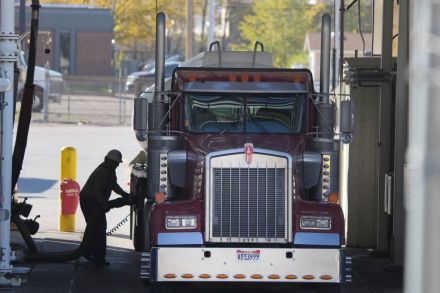
With Christmas right around the corner, the supply chain crisis, and what or whom to blame for it, is a hot topic this season. The New York Times and Wall Street Journal recently published a pair of articles about a purported nationwide shortage of truck drivers causing delivery delays. According to Business Insider, however, the reports of a driver shortage are “overblown.” Time, too, rebutted the claims with a column declaring that “The Truck Driver Shortage Doesn’t Exist.” (My theory is that all the sane truck drivers in America abandoned their rigs and ran for the hills the moment they heard Joe Biden say he “used to drive an 18-wheeler.” Egads!) What, then, are we to believe? Why, the truck drivers themselves, of course! So off to Sapp Bros.