Second referendum

Can the UK government navigate the SNP’s calls for a second referendum?

The Unionist tactical voting in Scotland makes it tempting to see the country as split down the middle between pro-independence and anti-independence voters. But this is not quite right. There is a good argument that the Scottish electorate is actually split three ways between Unionists, Nationalists and those who aren’t fully decided on the constitutional question. It is this third group who will determine the result of any second referendum. So, the UK government has to have them in mind when thinking about how to handle the inevitable request for a Section 30 order and a second referendum. The first thing to say is that the UK government should ensure Nicola Sturgeon is making the running on this. Headlines such as ‘PM: No new Scottish referendum’ are not helpful.

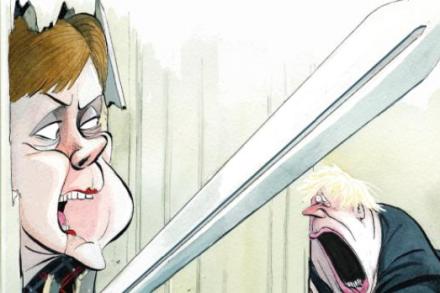
Scots, not Boris Johnson, are blocking IndyRef2

So what does it all mean? The first thing to bear in mind is that more than one thing may be true at the same time. This is, then, both a historic and thumping victory for Nicola Sturgeon and a mild disappointment. Historic because, after 14 years in power, Scottish voters have handed the SNP a fourth consecutive term in office; a modest disappointment because the SNP made little progress on their 2016 performance. Five years ago, Sturgeon lost the majority - albeit this was an accidental majority - she inherited from Alex Salmond and she failed to regain it this week. Doing so would have required everything to fall into place for the nationalists. They would have needed to pick up seats such as Dumbarton, Edinburgh Southern, and Aberdeenshire West to have a real crack at a majority.