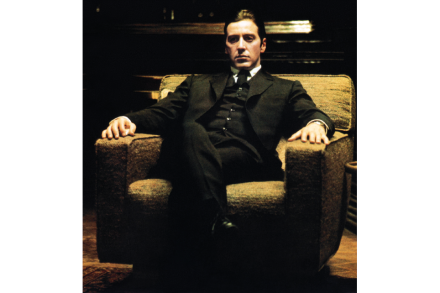
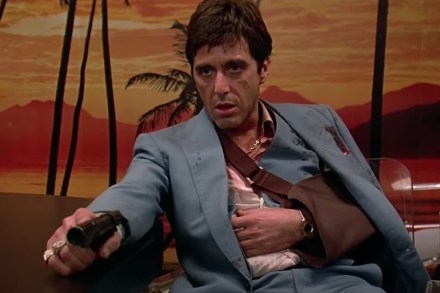
From street urchin to superstar: the unlikely career of Al Pacino
Ellen Barkin, Al Pacino’s lover-cum-prime- suspect in his comeback movie Sea of Love (1989), once dismissed the artifice of the British acting tradition (by way of an oddly ill-tempered pop at Nigel Havers) by comparing it with the immersive naturalism of the greats of post-war American cinema: Marlon Brando, Meryl Streep, Robert De Niro and Al Pacino. It’s a questionable claim, especially given that in Pacino Barkin had perhaps the least naturalistic co-star imaginable. He is forever searching for the off-beat, the syncopation that will spring the line open Pacino is – albeit in his own highly idiosyncratic way – no less theatrical an actor than John Gielgud, more invested in the musicality of his line readings than in fidelity to the real.