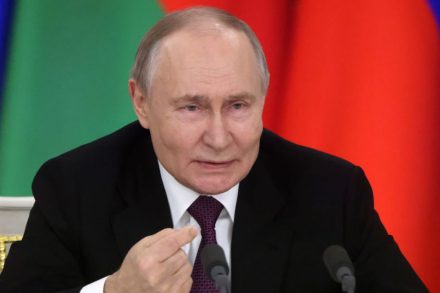
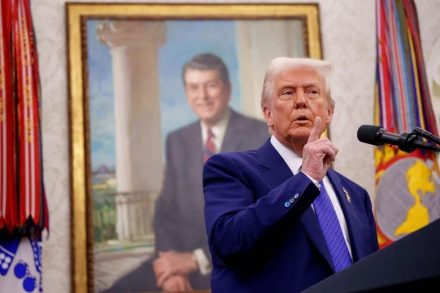
Why Putin is unlikely to attend the Miami G20
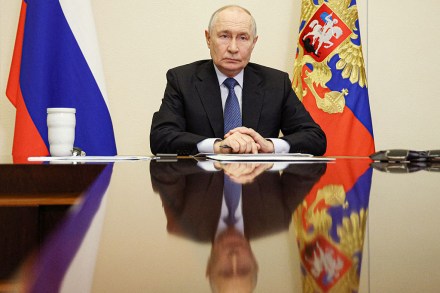
Secretary of State Marco Rubio has today announced that the US has invited Vladimir Putin to an upcoming G20 summit in Miami, giving the Russian leader “an opportunity to engage not just with Trump, but with other world leaders.” In one sense, the invitation is an olive branch to Moscow from Washington, so far the only Western nation willing to engage in peace talks with Putin. On the other, it’s a poisoned chalice that the Kremlin has already signaled that Putin will probably not accept. For one, the summit will be held on Trump’s home turf – quite literally, as the venue is the Trump-owned Doral golf resort near Miami. When they met on a US Air Force base in Anchorage, Alaska, last year the two leaders were on more-or-less neutral ground.