Roald dahl

Culling cookbooks

How do you choose ten cookbooks out of more than a hundred collected over sixty years? With difficulty. After my beloved husband Richard died, I decided that the only place I would want to live without him was in Meursault, France. The most difficult part was having to leave behind my cookbook collection. For a food writer, it was a daunting challenge. Here is what made the cut. I obviously couldn’t get rid of my father Bob Jones’s The Outdoor Picture Cookbook, published in 1954 and launched to Americans over their morning coffee on NBC’s Today show. He demonstrated how to cook his famous grilled chuck steak as Arlene Francis and Dave Garroway looked on with a bevy of buckets at the ready in case of fire.

cookbook

The frustrating rise of celebrities ‘writing’ children’s books

When you are next visiting a bookstore, and find your way to the children’s section, you might be forgiven for thinking that there is no longer such a thing as a children’s author. Instead, you will be ambushed by piles of books blazoned with the names of actors, singers, comedians, DJs and people who generously exhibit themselves on social media. “Writing” a children’s book has become another string to the celebrity bow. Imagine the scene. You’ve married a prince, and opened a shop that sells vaginal eggs. What more is there to do? A-ha, thinks the celebrity, perhaps while she is sitting on a bench. All those untutored minds, eager for moi! My personal brand will bring them such joy, such self-worth! They will all feel seen!

chidren's

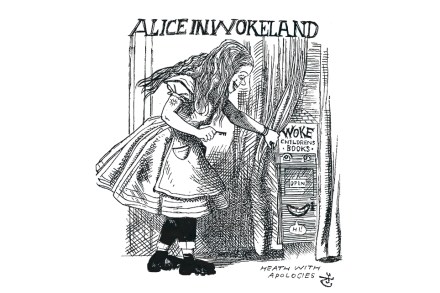
Where will the vogue for censoring our best-loved authors lead?

It was recently announced in the Daily Telegraph that the novels of P.G. Wodehouse — much beloved by millions, including me, for their combination of wit and soufflé-light evocation of an England that never really existed but which almost might have done — are the latest to fall foul of that new scourge of writers the world over, the “sensitivity reader.” New editions of Wodehouse’s masterly works Right Ho, Jeeves and Thank You, Jeeves have been reissued with the craven disclaimer “Please be aware that this book was published in the 1930s, and contains language, themes and characterizations which you may find outdated. In the present edition, we have sought to edit, minimally, words that we regard as unacceptable to present-day readers.

authors

Should I have had a sensitivity reader review my book?

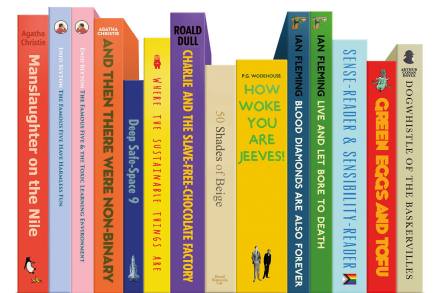
Reason magazine reported last summer on the rise of sensitivity readers, and publishers have made headlines for their plans to release sanitized versions of Roald Dahl's and Ian Fleming's works. I’m not sure what’s more depressing: the fact that publishers are hiring sensitivity readers to purify these books, or the fact that I probably should have had one review my books before they were published. In an ideal world, sensitivity readers would be in as much demand as Betamax repairpersons. But we do not live in an ideal world. We live in a world full of hypersensitive Twitter users who relish finding offense in the unlikeliest of places. Hence the proliferation of sensitivity readers, or "authenticity readers" as they’re sometimes called.

sensitivity

Do James Bond’s would-be censors have a point?

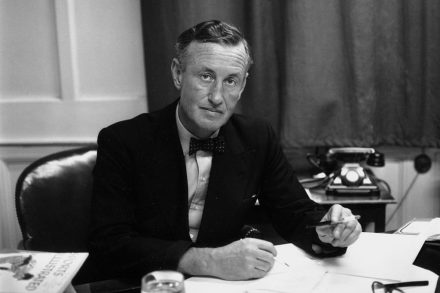
James Bond may have battled the nefarious forces of SMERSH, SPECTRE and other international terror organizations, but surely he has never faced quite so implacable a foe as the sensitivity reader. Following in the footsteps of Roald Dahl, the wholesale revision of whose books led to international outrage, Ian Fleming’s Bond novels, which have been re-released to mark the seventieth anniversary of the first publication of Casino Royale, have undergone their own exercise in alteration. But is it an egregious travesty à la Dahl, or — whisper it — might someone have had an idea arising from nobler motives?

bond

Reading Roald Dahl in a dystopian world

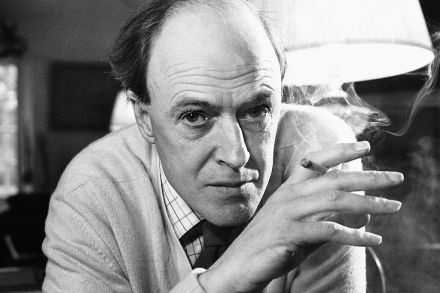
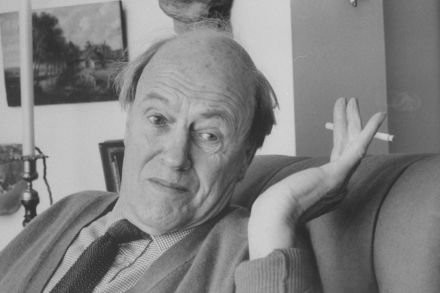
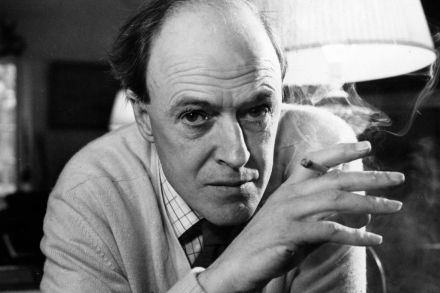
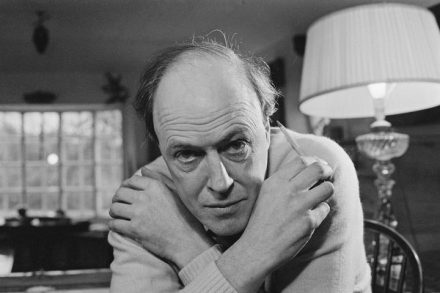
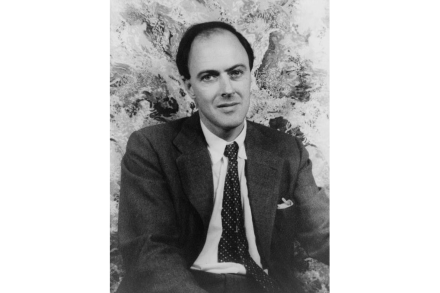
It is a trope of dystopian literature that once-beloved works are censored beyond recognition by blank-faced apparatchiks, removing apparently subversive or dangerous content at the behest of the state. As ever in our brave new world, reality has come to imitate fantasy, with Roald Dahl the latest author to face that most implacable of nemeses: changing social attitudes. It has been revealed by the Daily Telegraph that Dahl’s books — published in the United States by Penguin Young Readers Group, and Puffin in the United Kingdom — have been quietly but systematically edited to make them more "acceptable" for a 2023 readership. These changes, of which there are hundreds across Dahl’s canon, fundamentally alter some of the most beloved children’s titles ever written.

Why isn’t Netflix canceling Roald Dahl?

Alexander the Great famously wept when he saw the breadth of his domains, for there were no more worlds left to conquer. Had he been alive today, he would simply have signed a Netflix deal and reaped hitherto unimaginable rewards. Netflix's announcement that they have paid an undisclosed but presumably staggering amount of money for the complete works of Roald Dahl, to add to the licensing agreement that they already had with the Roald Dahl Story Company, seems set to flood the streaming service with unlimited Dahl adaptations over the coming years. Already, we are promised a new film of the musical of Matilda and a television series based on Charlie and the Chocolate Factory, but these are merely the tip of a very large, very lucrative and wholly fantastical iceberg.

roald dahl