Republicans

Republican resurrection

From our US edition

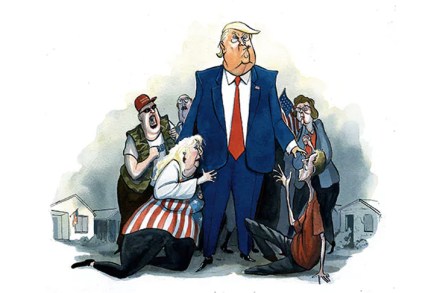
When Donald Trump took his famous escalator ride, the Republican party was too attached to abstract principles at the expense of the material interests of its own voters. It wasn’t even doing a particularly good job of adhering to its preferred ideological abstractions. Whatever the Democratic party’s ideological failings, its leadership understands the importance of delivering tangible benefits to the electoral coalition that puts them in power (although their newfound suburban voters could be in for a rude awakening if the Democrats ever get too much power). Trump presented an opportunity to change this.
populism republican

After Pennsylvania, can the GOP win again?

From our US edition

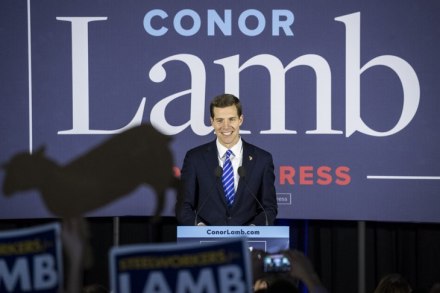
The special election for Pennsylvania’s 18th Congressional District has ended in a photo finish. There are absentee ballots still to be counted, perhaps a recount to be demanded. But it looks as if the Democrat, Conor Lamb, has won in this district that just two years ago voted for Donald Trump over Hillary Clinton by a 20-point margin. Even if the Republican, Rick Saccone, pulls ahead as the final count comes in, Tuesday’s result portends extinction for the GOP majority in Congress. But that was a safe bet even before this debacle. The better question is not whether Republicans have a prayer of hanging on to the House of Representatives, but what kind of Republican Party might eventually emerge from the wreckage to win again.

Trumpism is taking the GOP back to its industrialist roots

From our US edition

The weeping and wailing that is greeting Trump’s imposition of tariffs on steel and aluminum products entering the US is evidence that no one in America knows anything about the history of the Grand Old Party. Paul Ryan and the libertarian right are acting as if the President is betraying some long and distinguished tradition. This is nonsense. The Republican party was founded as an alliance of Big Business and government, with its platform devoted to huge land grants to the railroads, heavy taxes on “sinful” products like alcohol and tobacco, and protective tariffs. The American steel industry has been leading the charge for tariffs since 1820: yes, some things never change.