Regicide

United by ambition: the ruthless rapacity of England’s two famous Cromwells

In the early years of the English civil war John Milton turned his mind from the poetic arts and committed himself to writing some of the most searing pamphlet polemic of the 1640s. With the nation convulsed by violence, he set about finding causal explanations for the revolutionary ferment, and saw its roots in the 1530s and the unfinished nature of the Protestant Reformation. Only by completing the work of Reformation, Milton thought, would the English come closer to God and lasting peace. Such arguments had domestic as well as national urgency for Milton, much in need of peace himself, as he tried to extricate himself from his stupendously misguided marriage to Mary Powell, half his age and from a royalist family.
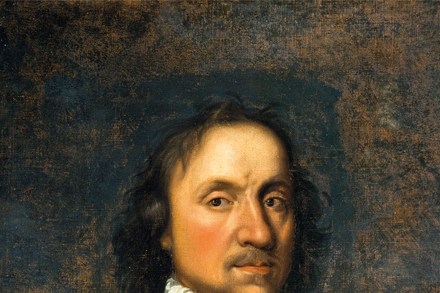
How weird was Oliver Cromwell?

One of the most notorious episodes in the siege of Drogheda, when more than 3,000 Irish people were killed by an English army headed by Oliver Cromwell, came when Cromwell and his troops chased a renegade band of the enemy up into the steeple of St Peter’s church. When the fleeing detachment of soldiers refused to surrender, Cromwell ordered that the steeple be burned. We know that this is true because, in addition to the corroborating evidence, Cromwell wrote a 1,500-word letter about the events back to the House of Commons on 17 September 1649, exulting that he had even heard one of the trapped men screaming: ‘God damn me, God confound me, I burn, I burn.’ That telling sadistic detail reveals much about both the writer and the addressee of the letter.

Homage to Joseph Johnson, the radical 18th-century publisher

There’s no excuse for dullness, especially when writing about a life as eventful as Joseph Johnson’s, the publisher and bookseller who worked with Mary Wollstonecraft, Joseph Priestley, William Cowper, Erasmus Darwin and Wordsworth and Coleridge, among others. I opened this book expecting it to lift the veil on dinner with Joseph Johnson, but the title’s a misnomer. (Other than a brief introductory passage, Johnson’s weekly dinners are mentioned only in passing.) Descriptions of his relationships with Wollstonecraft and Cowper are perhaps the most successful parts of Daisy Hay’s book, but elsewhere it is under-researched and under-written. This becomes evident early on when she writes about the Gordon Riots.