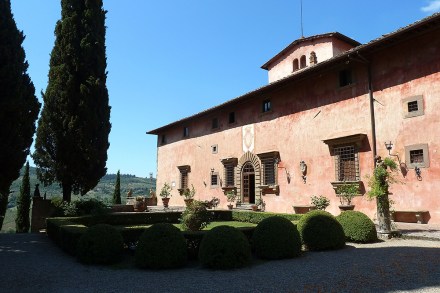
Tuscan escapades: Villa Coco, by Andrew Sean Greer, reviewed
The comic novelist Andrew Sean Greer won the Pulitzer Prize for Less, a chronicle of the longings and humiliations of modern life. But now, he suspects, we’d all like an escape. ‘Whatever happened to the charm novel?’ he asks in his new outing, thinking of the lighter works of Nancy Mitford and Graham Greene. Since they are apparently out of fashion, he has decided to write his own. Villa Coco follows a young American archivist, hired to catalogue the antiques in Tuscany of an aged baronessa, known to her friends as ‘Coco’, only to find himself drawn into increasingly absurd adventures instead. He arrives in late summer, with all the American fantasies of Italy in tow: ‘A confection of movies and food... pasta and accordions and Leonardo and cheese.