Rabbits

Letters: the little-known role of liquorice in parliamentary history

Pennies pinching Sir: I agree with much of this week’s editorial, except for two points (‘Nunc dimittis’, 25 April). As a formerly Positively Vetted civil servant, I cannot see what point there is in vetting an applicant for a job if the outcome of the vetting (as opposed of course to the private details) is not made known to the appointer. Who was responsible for this not happening in the current case still remains obscure. The second point I take issue with is your pressing for the end of the triple lock for pensions. I wish you would suggest how pensioners who have the ‘full’ state pension, and just enough more to put them over the threshold for Pension Credit, are expected to live?

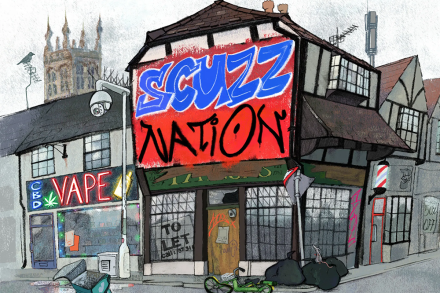
Letters: how to clean up ‘Scuzz Nation’ Britain

Decline and brawl Sir: Gus Carter’s insightful portrayal of ‘Scuzz Nation’ (‘Streets of shame’, 10 May) is less of a howl of anguish about Starmer’s Britain than an indictment of previous governments of all stripes since the late 1970s. It is also, to me, a call for more sophisticated thinking about the nature of governance in the 21st century. Carter shows, using lots of telling examples that we all recognise, that neither the state in its current form nor the private sector can cope with the multiplicity of challenges posed by a modern society. Of the state’s impotence, the current government is not the principal offender. To illustrate my point, just listen to a week’s worth of the Today programme and all the requests for extra funding that are heard every day.

Easter special: assisted dying, ‘bunny ebola’ & how do you eat your creme egg?

34 min listen

This week: should the assisted dying bill be killed off?Six months after Kim Leadbeater MP launched the Terminally Ill Adults (End of Life) Bill, a group of Labour MPs have pronounced it ‘irredeemably flawed and not fit to become law’. They say the most basic aspects of the bill – having gone through its committee stage – do not hold up to scrutiny. Dan Hitchens agrees, writing in the magazine this week that ‘it’s hard to summarise the committee’s proceedings except with a kind of Homeric catalogue of rejected amendments’ accompanied by a ‘series of disconcerting public statements’.  With a third reading vote approaching, what could it tell us about the country we live in?