Predators

The rise of mediated murder

From our US edition

A few months ago I stumbled across a TikTok series. A distraught older sister. A younger brother who’d committed suicide. And an online girlfriend who had allegedly coerced him – and several others – into taking their own lives. According to the video creator, this was the girl’s modus operandi: target vulnerable people on Roblox, form relationships with them over Discord and find ways to convince them to kill themselves, often on camera. I can’t verify the videos’ claims, but it was a story I felt I’d heard many times before. A young person falls into an intense, online relationship. That person commits suicide. Someone close to the youngster becomes convinced that the other party’s sole goal is to drive people to suicide.
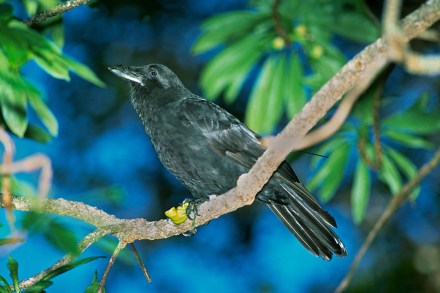
The sad history of the Hawaiian crow

Over a 40-year career, Sophie Osborn has evolved from a greenhorn volunteer for nature, doing mundane tasks in the wilds of Wyoming, to the manager of a captive-release programme for California condors in Arizona. This post placed her at the heart of perhaps the most sophisticated operation for a threatened bird anywhere in the world. Yet Osborn was as passionate in her first role as in her later one. She describes her professional arc in Feather Trails, using three bird species as separate motifs to order her story as a play in three acts. The structure not only offers a way of organising an autobiography; it supplies a sequence of lenses through which to explore the challenges faced by all those acting for birds.

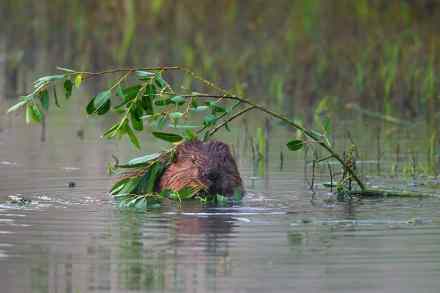
Beavers, not concrete barriers, can save Britain from floods

As the start date of COP26 draws closer, and just when we are assailed by daily proof of climate chaos, it is easy to think that this is the only threat to the global environment. It is not. Systemic biological loss assails the world and, while it is closely related to the issues of climate, it is a standalone matter with many separate antecedents. The English in particular should know all about it. On what is called the Biological Intactness Index we are judged to be the seventh most degraded national environment on Earth. Species loss here originates from many causes, but primarily from 80 years of intensive agriculture. This is the main theme of Karen Lloyd’s Abundance, but it is also about how we can reverse these losses.