Policy

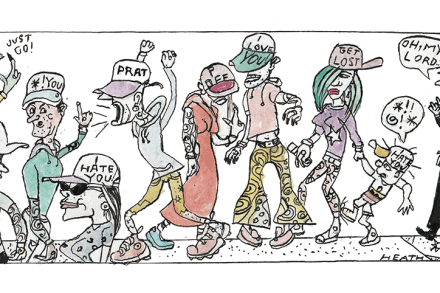
Why do men think it’s acceptable to wear a hat in church?

There’s often a traffic jam in front of the Battle of Britain window in Westminster Abbey and I recently found myself jockeying for position with a man wearing a baseball cap. A hat, in church! I thought I ought to say something, but as I was with an official guide, I decided it perhaps wasn’t my place. A very English cop-out, I confess. Then I saw a second man in a cap and, hat-radar activated, I started counting. And stopped at seven. Clearly, it was impossible that seven male hat wearers had all slipped unnoticed past the Abbey’s considerable security and, equally clearly, there must be a new attitude to hats in church and I hadn’t received the memo. I thought I’d check with the Very Reverend Dean.
hat

Newsom won’t create abundance

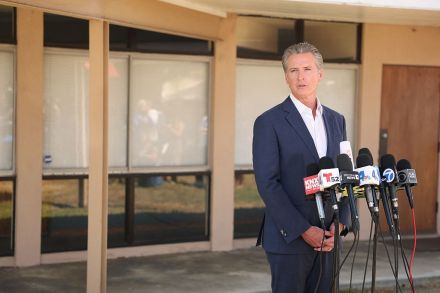
With great fanfare, California Governor Gavin Newsom recently signed “historic” legislative package designed to “advance an abundance agenda.” It’s a nod to the recent (and fashionable) book Abundance by the liberal bloggers Ezra Klein and Derek Thompson, and it’s supposed to reform a state best known for a punitive cost of living and chronic shortages of everything essential – including housing, water, and energy.  Key to Newsom’s new legislation are Assembly Bill 130 and Senate Bill 131, both of which make fundamental changes to how the California Environmental Quality Act (CEQA) is enforced.

Newsom abundance

The great big, beautiful risk

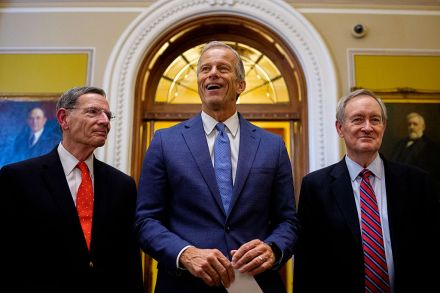
The electoral risk to politicians involved in passing a dog's breakfast of a "big, beautiful bill" – and there have been too many of this century to count – is often overstated. Once bills this large and unwieldy are passed there are a litany of problems that emerge as Americans, dulled into frustration by the same old swamp, discover only too late which specific policies negatively affect their lives and businesses. But then there are also things they like about it too, and even measures that are initially unpopular find purchase. And I do mean purchase in both senses, as in literally bribing voters with their own money, as Barack Obama's Medicaid expansion did.

Bill

Navy Yard is a failing experiment in gentrification

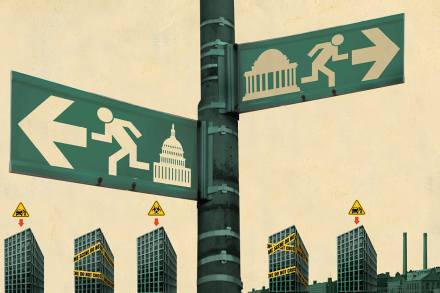
I break up my working day by going on a three-mile jog around the Navy Yard neighborhood of Washington, DC, where I’ve lived for just over a year. I leave my building, one of many newish luxury developments which has recently found itself a prime target for vehicle thefts; I pass by the barber’s whose windows were shot out on Friday and the doggie day care where on the same day an employee hit a pet that later died. As I cross N Street I glance down the block where, in October 2022, a man my age was killed in a drive-by shooting. I head south beyond the baseball stadium, where the July 2021 shooting of three people outside caused a sixth-inning suspension of play. I turn onto the waterfront path where someone was spotted with an automatic weapon this weekend.

Navy Yard

How California’s new trucking regulations threaten standards of living

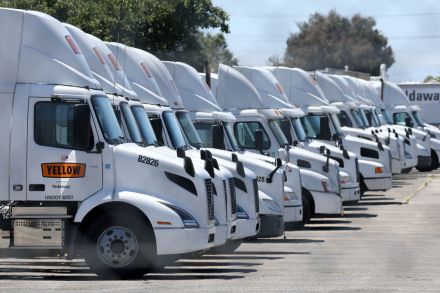
It’s chic to look down on big trucks and their drivers. Former president Donald Trump’s photo op with truckers in 2017 was immediately lampooned on social media and by liberal journalists. It would be fitting, then, if the trucking industry provides the example that kills the push to rapidly move developed economies to “net zero” greenhouse gas emissions. The fact is that any serious attempt to make Western economies “net zero” will be costly, technologically difficult and extremely disruptive to our way of life. Nothing captures these inconvenient truths better than the effort to force the electrification of the trucking industry. Trucks are to the modern economy what the circulatory system is to the body.

trucking

Boris Johnson needs to be more open about Covid’s risks

From our UK edition

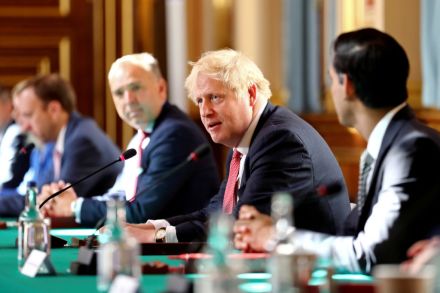
The Prime Minister wants us back to normal by Christmas. If he is serious, then his government needs to take a big step forward in how it communicates evidence on Covid-19 with the public. Every day we get new insights about the coronavirus from research and statistics. Yet, for some reason, the government is holding its cards close to its chest about how it is assessing new scientific developments, and how this may affect policy decisions. Government communications currently seem to avoid telling people where their risks from Covid are actually low. There is a general reluctance to speak openly about how risk is assessed and the trade-offs there are with other competing health risks and economic impacts.