Pigeon racing

The curious history of pigeon-fancying

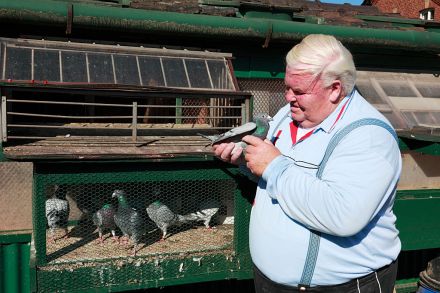
Unsociably early one recent Sunday morning, our retired guide dog nuzzled me awake. Half sleepwalking into the back garden with her, I greeted the gentle quiet of the morning, the air still cool and breathable, the ongoing daily dose of stifling heat not yet dispensed. Just the odd pigeon padding about. Well, one odd pigeon. Not one of the usual suspects - bulky, block grey, waddling -here was a delicate, slender creature, striking black and white feathers sleeked across its back, cautiously pecking under the birdseed feeder hanging from an apple tree. A mysterious, ancient world of allegiance, courage and efficiency A closer look revealed each leg was banded - one green, the other turquoise.
Gruesome British folk sports – from cheese-rolling to Hare Pie Scramble

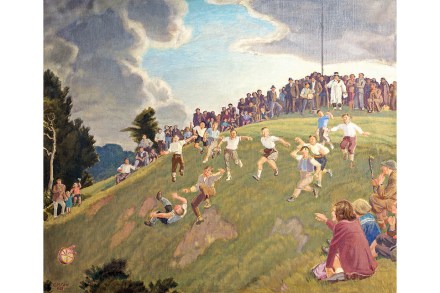
‘Two mobs of men fighting over possession of a ball in a freezing, muddy river in Derbyshire,’ writes Harry Pearson, ‘is the British equivalent of the Rio Carnival.’ He’s not wrong. Brazil may have the sun, but we’ve got the capacity for mindless violence. It’s a trait expressed in many of the folk sports covered in this highly entertaining book. The mass football games (such as the one in Ashbourne), which take place over pitches several miles long, aren’t quite as vicious as they once were. In a Georgian contest between the Men of Suffolk and the Men of Norfolk, nine players died. In Jedburgh, they used an Englishman’s severed head as the ball. Nevertheless, the modern contests are far from gentle.